
Introduction
Bringing home a new puppy is exciting, but it also comes with an important responsibility—protecting your furry friend from life-threatening diseases. One of the most effective ways to do that is by following the correct puppy vaccination schedule.
Many first-time dog owners assume that one or two shots are enough. In reality, puppies need a carefully timed series of Puppy Vaccination Schedule because the antibodies they receive from their mother gradually wear off during the first few months of life. Vaccinating too early may not provide full protection, while delaying vaccinations leaves your puppy vulnerable to dangerous infections.
As a lifelong dog enthusiast and someone who has spent years researching canine health, I’ve seen how a simple puppy vaccination schedule can prevent heartbreaking illnesses that are expensive—and sometimes impossible—to treat. A healthy puppy today becomes a happy companion for years to come.
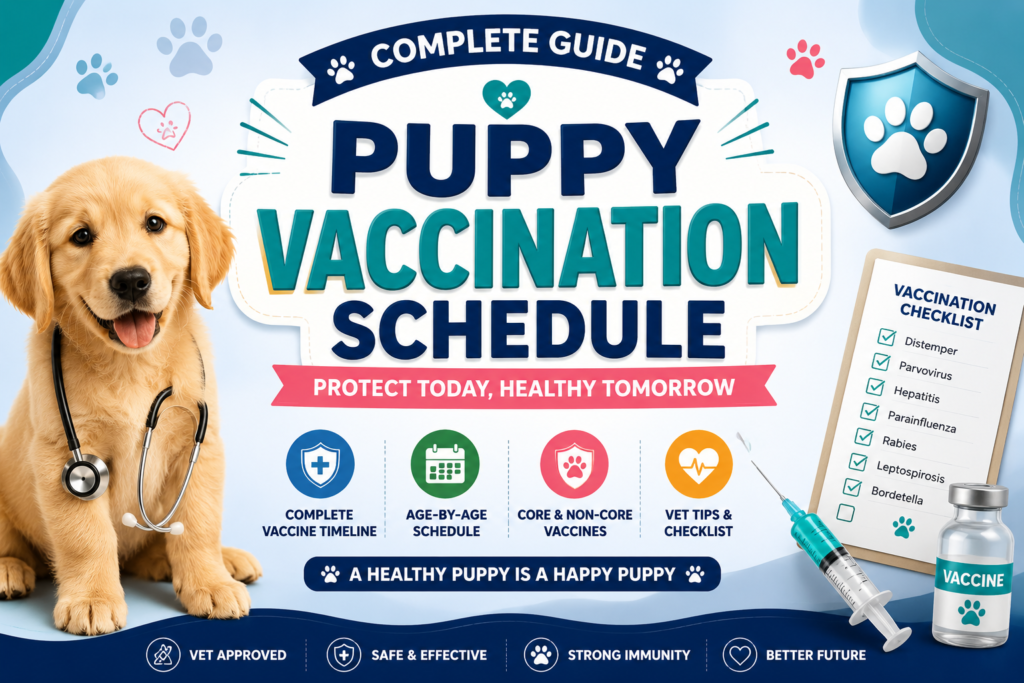
In this complete guide, you’ll learn: Puppy Vaccination Schedule
- The recommended puppy vaccination schedule by age
- Which vaccines are considered essential
- Optional vaccines based on lifestyle
- Why timing matters
- Common Puppy Vaccination Schedule side effects
- Expert tips for keeping your puppy safe
Whether you’ve adopted your first puppy or you’re welcoming another furry family member, this guide will help you make informed decisions with confidence.
Puppy Vaccination Schedule
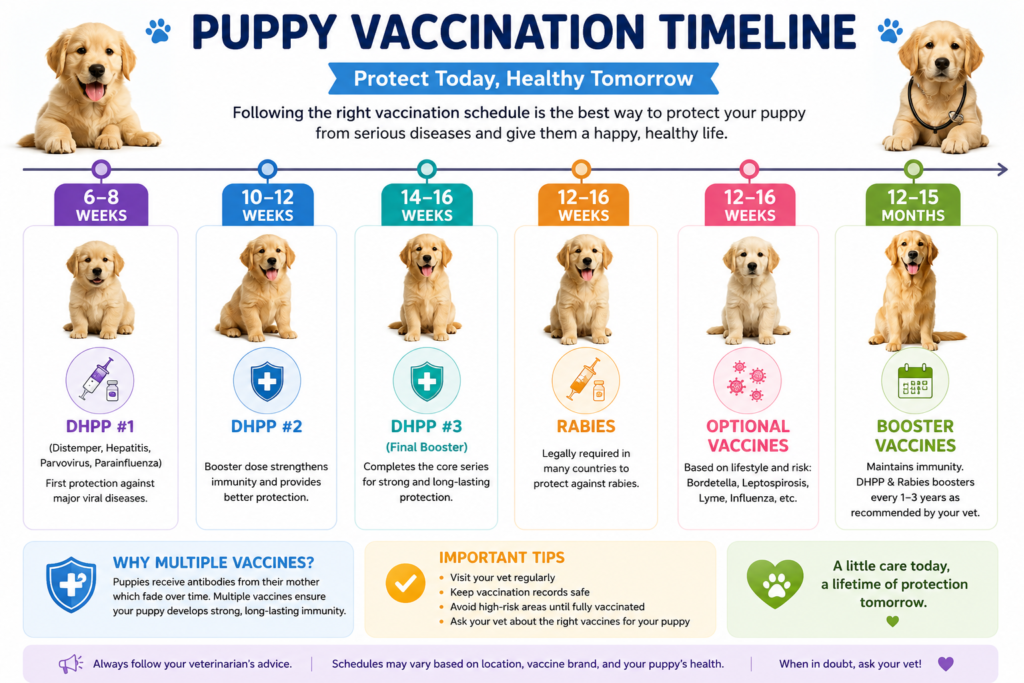
Puppy Vaccination Schedule at a Glance
| Puppy Age | Recommended Vaccinations | Purpose |
|---|---|---|
| 6–8 weeks | DHPP (Distemper, Adenovirus, Parvovirus, Parainfluenza) | First protection against major viral diseases |
| 10–12 weeks | DHPP Booster | Strengthens immunity |
| 12–16 weeks | Rabies | Legally required in many countries |
| 14–16 weeks | DHPP Final Booster | Completes puppy vaccine series |
| 12–16 weeks | Optional Non-Core Vaccines | Bordetella, Lyme, Leptospirosis, Influenza depending on risk |
| 12–15 months | Booster Vaccines | Maintains long-term protection |
Puppy Vaccination Schedule
Why Puppies Need Multiple Vaccinations
One of the biggest misconceptions is that puppies become protected after a single vaccine.
That’s not how their immune system works.
When puppies are born, they receive maternal antibodies through their mother’s milk. These antibodies provide temporary protection but gradually disappear between 6 and 16 weeks of age.
Here’s the challenge:
- If you vaccinate too early, maternal antibodies can block the vaccine.
- If you vaccinate too late, puppies may become exposed to deadly viruses.
That’s why veterinarians recommend multiple booster vaccinations during the first few months.
Think of the vaccination schedule as building layers of protection rather than relying on one injection.
Understanding Core vs Non-Core Vaccines
Veterinarians generally divide puppy vaccines into two categories.
Core Vaccines
Core vaccines are recommended for every puppy, regardless of breed or lifestyle.
They protect against diseases that are widespread, highly contagious, or potentially fatal.
Core vaccines include:
- Distemper
- Parvovirus
- Adenovirus (Hepatitis)
- Parainfluenza
- Rabies
Missing these vaccines significantly increases a puppy’s risk of severe illness.
Non-Core Vaccines
Non-core vaccines are recommended based on your puppy’s environment and lifestyle.
Examples include:
- Bordetella (Kennel Cough)
- Leptospirosis
- Lyme Disease
- Canine Influenza
- Rattlesnake Vaccine (specific regions)
For example:
A puppy that visits dog parks, boarding facilities, daycare centers, or grooming salons may benefit from additional vaccines that a mostly indoor puppy might not need.
Always discuss lifestyle risks with your veterinarian before deciding on optional vaccines.
Puppy Vaccination Schedule by Age
Puppy Vaccination Schedule:
6–8 Weeks
This is usually when puppies receive their very first vaccinations.
At this age, maternal immunity is beginning to decline, making puppies vulnerable to infections.
Recommended Vaccine
DHPP
This combination vaccine protects against four serious diseases:
Distemper
A highly contagious viral disease affecting the respiratory, digestive, and nervous systems.
Symptoms include:
- Fever
- Nasal discharge
- Eye discharge
- Coughing
- Vomiting
- Seizures
Many puppies that survive distemper suffer lifelong neurological complications.
Adenovirus
Also called infectious canine hepatitis.
It affects:
- Liver
- Kidneys
- Eyes
Although less common today, vaccination has dramatically reduced outbreaks.
Parvovirus
Perhaps the disease every puppy owner fears most.
Parvovirus attacks rapidly dividing cells, especially in the intestines.
Symptoms include:
- Severe vomiting
- Bloody diarrhea
- Extreme dehydration
- Weakness
- Loss of appetite
Without immediate treatment, parvovirus can be fatal.
Treatment often requires hospitalization and can cost thousands of dollars.
Vaccination is significantly safer and more affordable than treating the disease.
Parainfluenza
This virus contributes to canine infectious respiratory disease (commonly called kennel cough).
Although usually less severe than parvovirus, it spreads rapidly among dogs living or playing together.
Vet Tip
Puppy Vaccination Schedule:
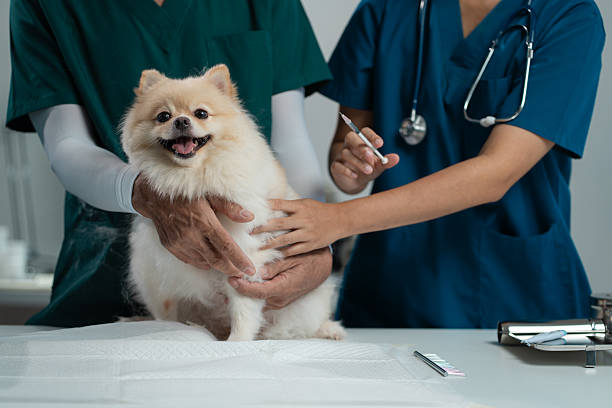
Avoid taking unvaccinated puppies to public parks, pet stores, or areas where unknown dogs gather until your veterinarian confirms they are adequately protected.
10–12 Weeks
At this stage, puppies receive their second DHPP vaccination.
Many owners wonder:
“If my puppy already had the first vaccine, why is another one necessary?”
Because maternal antibodies disappear at different rates in every puppy.
The booster ensures that immunity develops even if the first vaccine was partially blocked.
This second dose dramatically improves protection against:
- Distemper
- Parvovirus
- Adenovirus
- Parainfluenza
Your veterinarian may also recommend starting certain non-core vaccines during this visit based on your puppy’s lifestyle.
Optional Vaccines Around 10–12 Weeks
Bordetella
Recommended for puppies that:
- Attend daycare
- Visit groomers
- Go to boarding facilities
- Participate in puppy training classes
Bordetella helps reduce the risk of kennel cough, a highly contagious respiratory infection.
Leptospirosis
Leptospirosis is caused by bacteria rather than viruses.
Dogs can become infected through:
- Contaminated water
- Wildlife urine
- Standing puddles
- Farms
- Rural environments
Because this disease can also infect humans, vaccination may be particularly valuable in higher-risk areas.
Lyme Disease
Recommended mainly for puppies living in regions where ticks are common.
Dogs that frequently hike, camp, or spend time in wooded areas are at greater risk.
Vaccination should always be combined with effective tick prevention.
14–16 Weeks
This is one of the most important appointments in your puppy’s vaccination schedule.
It typically includes:
- Final DHPP booster
- Rabies vaccination
- Completion of any recommended non-core vaccine series
By this age, maternal antibodies have usually disappeared, allowing vaccines to produce strong, long-lasting immunity.
Rabies Vaccination
Rabies is nearly always fatal once symptoms appear.
Fortunately, it is almost entirely preventable through vaccination.
In many countries and regions, rabies vaccination is required by law because the disease can spread from animals to humans.
Your veterinarian will advise you on local legal requirements and booster intervals.
What Happens If You Miss a Vaccine Appointment?
Life gets busy, and it’s easy to miss an appointment.
A delay of a few days usually isn’t a major concern, but missing several weeks may require adjustments to your puppy’s vaccination plan.
Never assume you can simply continue where you left off.
Instead:
- Contact your veterinarian as soon as possible.
- Follow their updated Puppy Vaccination Schedule.
- Avoid exposing your puppy to unfamiliar dogs until protection is complete.
Staying on schedule gives your puppy the best chance of developing strong immunity.
Helpful Resources
For additional guidance on canine vaccination recommendations, refer to:
- American Animal Hospital Association (AAHA) Canine Vaccination Guidelines: https://www.aaha.org
- American Veterinary Medical Association (AVMA): https://www.avma.org
- World Small Animal Veterinary Association (WSAVA) Vaccination Guidelines: https://wsava.org
Internal Linking
As we published more content on our site,
- Best Puppy Toys for Aggressive Chewers
- Puppy Teething Guide: Signs, Timeline & Relief Tips
- Why Puppies Chew Furniture and Sofas (And How to Stop In 1 week)
- Best Dog Breeds for First-Time Owners
- How to Stop a Puppy from Biting (2026): 12 Proven Training Tips That Actually Work
Booster Vaccinations After Your Puppy’s First Year
Completing your puppy’s initial vaccine series is a major milestone, but it’s not the end of their vaccination journey. Immunity can decrease over time, making booster vaccinations essential for maintaining long-term protection.
Most puppies receive their first booster 12–15 months after completing the puppy series. After that, your veterinarian will recommend a Puppy Vaccination Schedule based on your dog’s health, lifestyle, local disease risks, and the type of vaccine used.
Here’s a general guideline: Puppy Vaccination Schedule
| Vaccine | First Booster | Future Boosters* |
|---|---|---|
| DHPP | 12–15 months | Every 1–3 years |
| Rabies | According to local law and vaccine label | Every 1–3 years |
| Bordetella | Every 6–12 months (if needed) | Lifestyle-dependent |
| Leptospirosis | Annually | Annually |
| Lyme Disease | Annually (where recommended) | Annually |
| Canine Influenza | Annually (if recommended) | Annually |
Core vs Non-Core Vaccines Comparison
Understanding which vaccines are essential and which depend on lifestyle helps you make informed decisions for your puppy.
| Feature | Core Vaccines | Non-Core Vaccines |
|---|---|---|
| Recommended for all puppies | ✅ Yes | ❌ No |
| Protect against life-threatening diseases | ✅ Yes | Sometimes |
| Required by law | Rabies in many regions | No |
| Based on lifestyle | No | Yes |
| Examples | DHPP, Rabies | Bordetella, Lyme, Leptospirosis, Influenza |
Key Takeaway
If you’re unsure whether your puppy needs a non-core vaccine, discuss their daily routine with your veterinarian. A puppy living in an apartment may have different vaccination needs than one frequently visiting dog parks, boarding facilities, farms, or hiking trails.
Common Side Effects After Puppy Vaccinations
Most puppies experience little or no discomfort after vaccination. Mild side effects are actually a sign that the immune system is responding appropriately.
Common mild reactions include:
- Slight tiredness
- Sleeping more than usual
- Mild fever
- Temporary loss of appetite
- Small lump at the injection site
- Mild soreness for one or two days
These symptoms typically resolve within 24–48 hours.
When Should You Call a Veterinarian?
Although serious vaccine reactions are rare, seek veterinary attention immediately if your puppy develops:
- Difficulty breathing
- Facial swelling
- Severe vomiting
- Persistent diarrhea
- Collapse
- Extreme lethargy
- Hives or widespread swelling
- Continuous crying from severe pain
Prompt treatment can quickly manage allergic reactions and prevent complications.
Vaccination Tips Every Puppy Owner Should Know
Puppy Vaccination Schedule is only one part of disease prevention. The following practices help maximize your puppy’s protection.
Keep a Vaccination Record
Maintain a folder or digital copy of:
- Vaccination dates
- Vaccine names
- Batch numbers (if provided)
- Next appointment dates
These records are often required for:
- Boarding
- Grooming
- Dog daycare
- Travel
- Training classes
Avoid High-Risk Areas Until Fully Vaccinated
Many dangerous viruses, especially parvovirus, can survive in the environment for months.
Until your veterinarian confirms your puppy is fully protected, avoid:
- Dog parks
- Pet store floors
- Busy sidewalks with many dogs
- Public dog events
- Areas contaminated with animal waste
Safe socialization can still occur through controlled interactions with healthy, fully vaccinated dogs.
Continue Parasite Prevention
Vaccines do not protect against:
- Fleas
- Ticks
- Heartworms
- Intestinal worms
A complete preventive care plan should include regular deworming and parasite control alongside vaccinations.
Feed a Balanced Diet
Good nutrition supports the immune system.
Choose a high-quality puppy food appropriate for your puppy’s breed size and age. Fresh water, adequate sleep, exercise, and regular veterinary checkups all contribute to long-term health.

Puppy Vaccination Myths
Many myths circulate online about Puppy Vaccination Schedule. Let’s separate fact from fiction.
Myth 1: Indoor Puppies Don’t Need Vaccinations
False.
Viruses such as parvovirus can be carried indoors on shoes, clothing, or other objects. Even indoor puppies require core vaccinations.
Myth 2: One Vaccine Is Enough
False.
A single vaccination rarely provides complete protection because maternal antibodies can interfere with immunity.
Myth 3: Vaccines Cause the Diseases They Prevent
False.
Modern vaccines are carefully tested for safety and are designed to stimulate immunity—not cause disease.
Myth 4: Small Breed Puppies Need Fewer Vaccines
False.
Vaccination schedules are determined by age and disease risk, not body size.
Frequently Asked Questions
At what age should puppies start vaccinations?
Most puppies begin vaccinations between 6 and 8 weeks of age, depending on veterinary recommendations and their health history.
Can I walk my puppy before all vaccinations are complete?
Short walks in low-risk areas may be acceptable if your veterinarian agrees. However, avoid locations where many unknown dogs gather until the vaccine series is complete.
Can puppies miss a vaccine?
If you miss an appointment, contact your veterinarian as soon as possible. They will advise whether the schedule can continue or needs adjustment.
Is the rabies vaccine mandatory?
In many countries and regions, yes. Local regulations vary, so check with your veterinarian or local authorities.
How much do puppy vaccinations cost?
Costs vary depending on:
- Country
- Veterinary clinic
- Combination vaccines
- Optional vaccines
- Wellness packages
Investing in preventive care is generally far less expensive than treating serious infectious diseases.
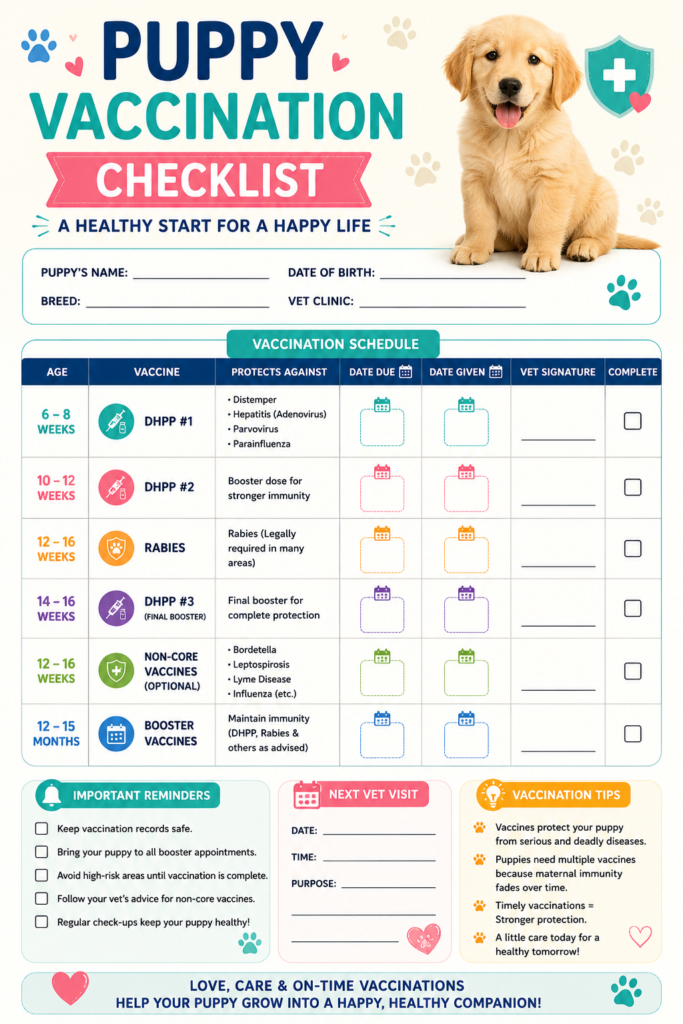
Puppy Vaccination Checklist
Use this checklist to stay organized during your puppy’s first year.
✅ Schedule your first veterinary visit within a few days of bringing your puppy home.
✅ Follow the recommended puppy vaccination schedule without unnecessary delays.
✅ Keep vaccination certificates in a safe place.
✅ Complete all booster doses.
✅ Ask your veterinarian about lifestyle-based vaccines.
✅ Avoid high-risk environments until fully vaccinated.
✅ Continue parasite prevention.
✅ Schedule annual wellness examinations.
Key Takeaways
- Puppies require a series of Puppy Vaccination Schedule because maternal antibodies gradually disappear during the first few months of life.
- Core vaccines—including DHPP and rabies—protect against some of the most serious infectious diseases.
- Non-core vaccines should be considered based on your puppy’s environment and daily activities.
- Completing every booster is just as important as receiving the first vaccine.
- Regular veterinary checkups, proper nutrition, parasite prevention, and responsible socialization all contribute to lifelong health.
Conclusion
Following the correct puppy vaccination schedule is one of the best investments you can make in your dog’s future. While vaccinations may seem like a small part of puppy care, they provide protection against diseases that can lead to severe illness, expensive treatment, or even loss of life.
Remember that every puppy is unique. Breed, environment, travel, and local disease risks all influence the ideal vaccination plan. Rather than relying on online advice alone, partner with a trusted veterinarian to create a schedule tailored to your puppy’s needs.
With timely vaccinations, regular health checkups, balanced nutrition, and plenty of love, your puppy will have the best possible start toward a long, active, and healthy life.
Love puppy care tips? Follow @CutePawWorld on Pinterest