
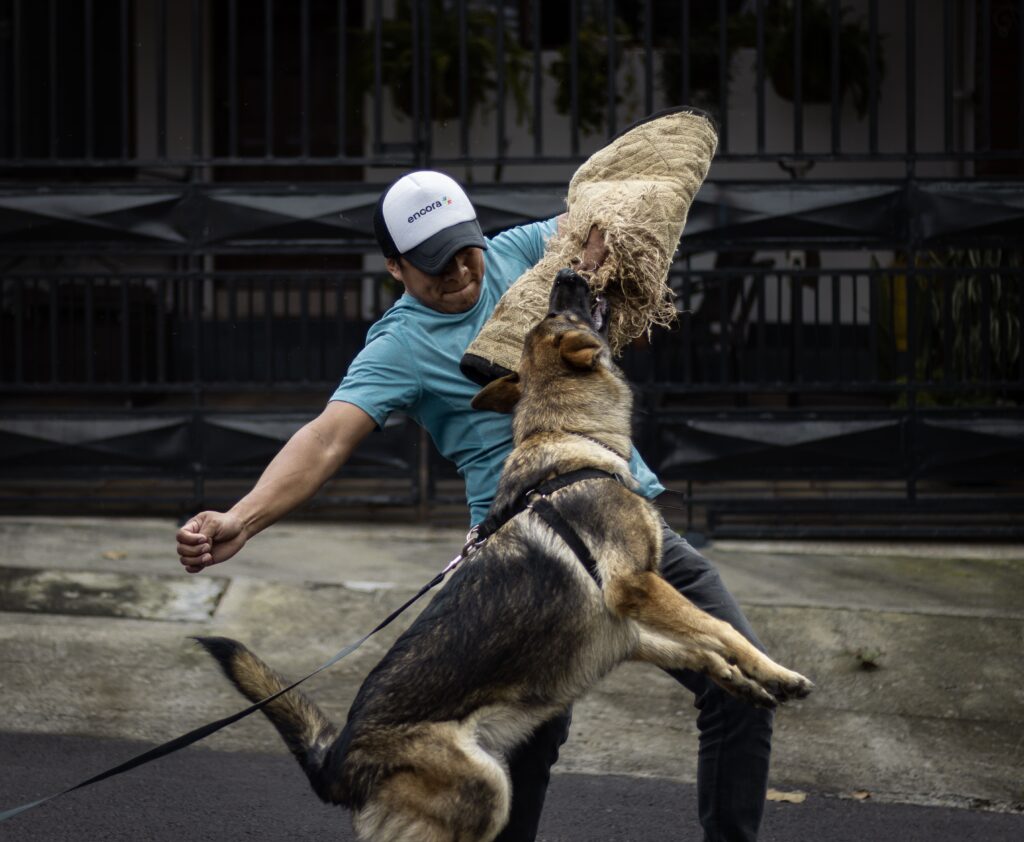
Puppy teeth may be tiny, but they can feel surprisingly sharp. If you’re constantly asking yourself how to stop a puppy from biting, you’re definitely not alone.
when we brought our first puppy at home after a month puppy bite my brother palm accidently because we are not aware that time then we focused why the puppy bite and i started learning:How to Stop a Puppy from Biting
Almost every puppy goes through a biting phase. They explore the world with their mouths, soothe teething discomfort, and learn social boundaries through play. The good news? With the right training, patience, and consistency, most puppies naturally outgrow excessive biting while developing excellent bite inhibition.
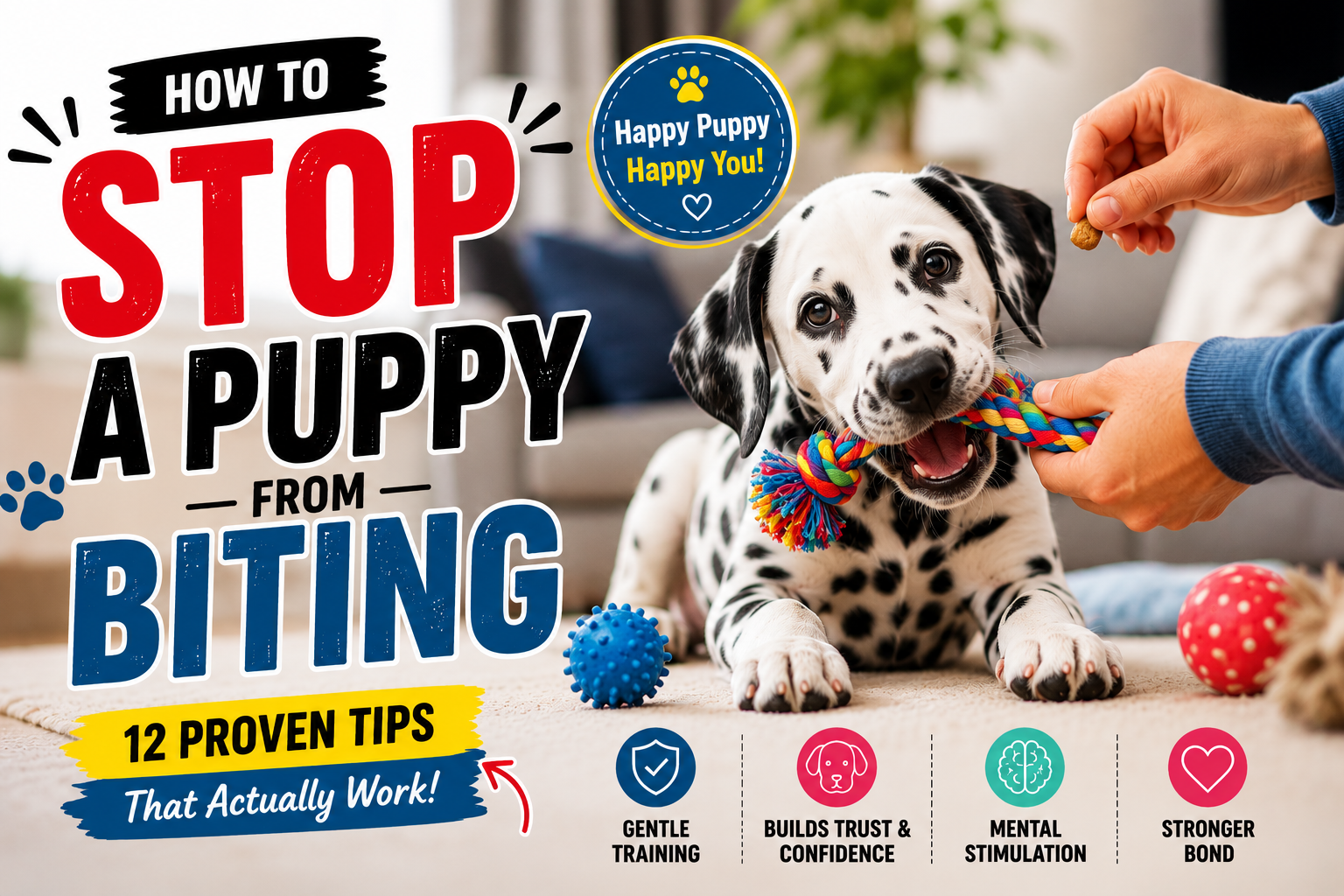
In this guide, you’ll discover 12 proven training techniques backed by veterinarians, professional dog trainers, and canine behavior experts. These methods are positive, effective, and designed to build trust instead of fear.
How to Stop a Puppy from Biting
Why Do Puppies Bite?
How to Stop a Puppy from Biting
Before correcting the behavior, it’s important to understand why it happens.
Puppies bite because they are:
- Teething (typically 3–6 months)
- Exploring their environment
- Playing with people
- Seeking attention
- Overstimulated or overtired
- Learning bite pressure from interactions
Understanding the reason behind the bite helps you respond appropriately rather than simply reacting.
Puppy Biting by Age
| Puppy Age | Why They Bite | Recommended Response |
|---|---|---|
| 8–10 Weeks | Exploration & play | Redirect to toys |
| 10–16 Weeks | Learning bite inhibition | Gentle training and time-outs |
| 4–6 Months | Teething | Frozen chew toys and consistency |
| 6+ Months | Habit or excitement | Reinforce calm behavior |
12 Proven Tips to Stop a Puppy from Biting
How to Stop a Puppy from Biting
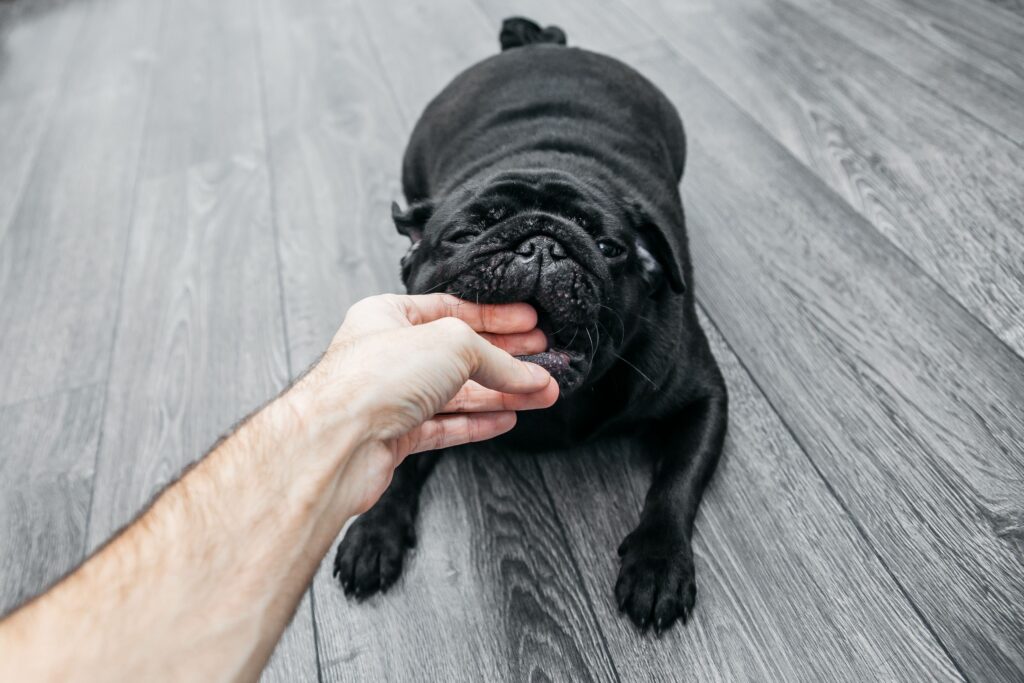
1. Redirect Every Bite to a Toy
Never let your hands become chew toys.
Keep several toys nearby. The moment your puppy bites your fingers, calmly replace your hand with an appropriate chew toy.
Good choices include:
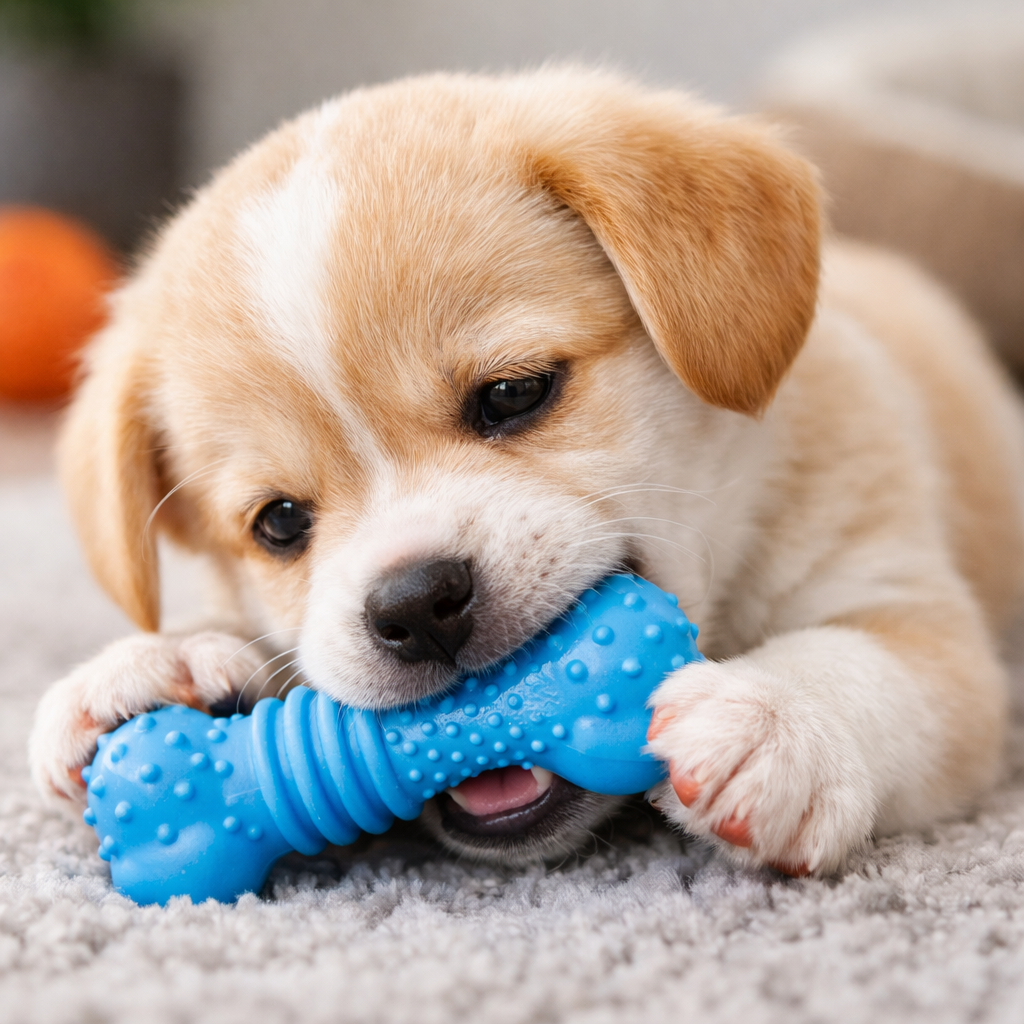
- Rubber chew toys
- Rope toys
- Puppy-safe teething rings
- Food-stuffed toys
This teaches your puppy what is acceptable to bite.
2. Stop the Game Immediately
Many puppies bite because they’re excited.
If teeth touch skin:
- Stand up
- Fold your arms
- Look away
- Ignore your puppy for 20–30 seconds
This teaches:
“Biting makes the fun stop.”
Consistency is the secret.
3. Reward Gentle Behavior
Many owners focus only on correcting bad behavior.
Instead, reward good choices.
Whenever your puppy:
- Licks instead of bites
- Plays gently
- Chews their toy
Offer:
- Praise
- Treats
- Petting
- Playtime
Dogs repeat behaviors that earn rewards.
4. Teach Bite Inhibition
How to Stop a Puppy from Biting
Professional trainers don’t expect puppies to stop biting overnight.
Instead, they teach puppies to control bite pressure.
If your puppy bites too hard:
- Say “Ouch!” naturally.
- Stop interaction briefly.
- Resume play once they’re calm.
Over time, your puppy learns to soften their bite before eventually stopping altogether.
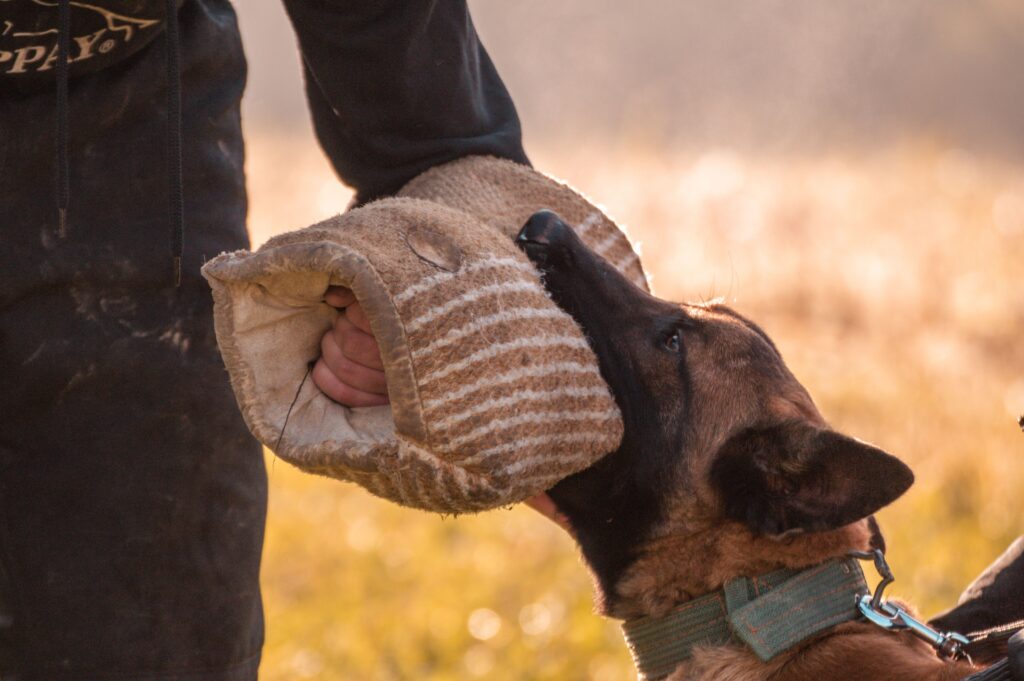
5. Provide Plenty of Exercise
How to Stop a Puppy from Biting
A tired puppy is usually a well-behaved puppy.
Daily exercise reduces:
- Hyperactivity
- Frustration
- Excess energy
- Attention-seeking biting
Ideas include:
- Short walks
- Fetch
- Puzzle toys
- Sniff games
- Backyard exploration
Avoid over-exercising very young puppies.
6. Give Safe Teething Relief
Between 3 and 6 months, puppies experience sore gums.
Offer:
- Frozen carrots
- Frozen washcloths
- Puppy-safe chew toys
- Frozen Kong toys
Cold items naturally reduce gum discomfort.
Never use objects that can splinter or become choking hazards.
7. Avoid Rough Wrestling Games
Hand wrestling often teaches puppies:
“My owner’s hands are toys.”
Instead play:
- Fetch
- Tug (with rules)
- Hide and seek
- Nose work
- Training games
Interactive games strengthen your bond without encouraging biting.
8. Schedule Regular Nap Time
One surprising reason puppies bite?
They’re exhausted.
Just like toddlers, overtired puppies often become:
- Zoomy
- Mouthy
- Hyperactive
- Difficult to control
Many puppies need 16–20 hours of sleep daily.
If biting suddenly increases, your puppy may simply need a nap.
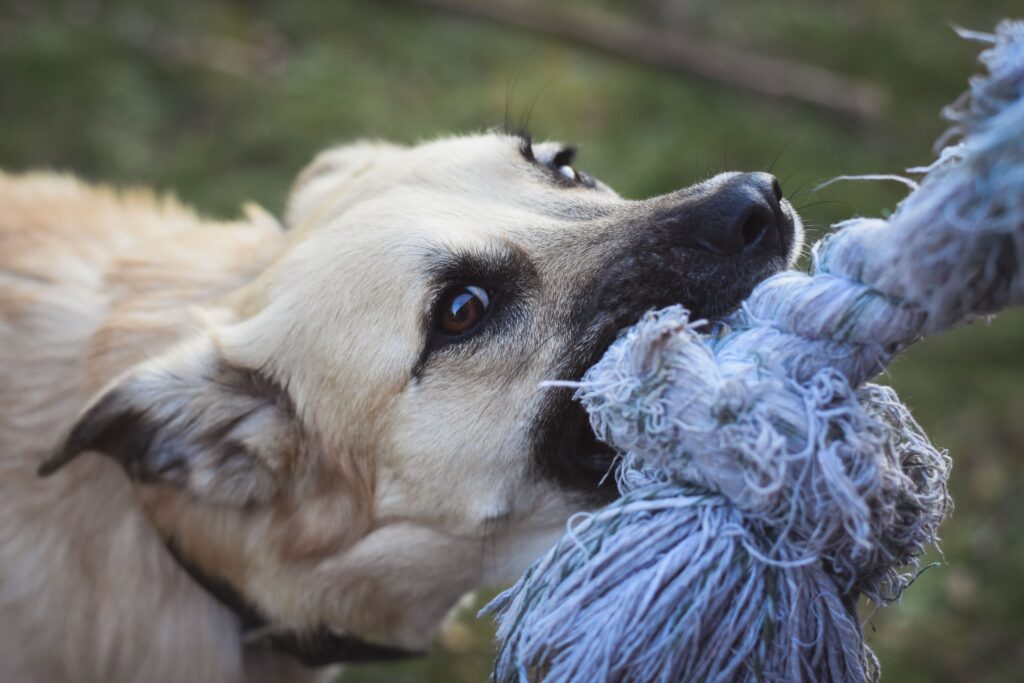
9. Socialize Your Puppy Correctly
Proper socialization helps puppies learn:
- Bite control
- Confidence
- Appropriate play
Enroll in puppy classes or arrange supervised playdates with vaccinated, friendly dogs.
Other dogs naturally teach bite inhibition better than humans can.
10. Teach Basic Commands
Simple obedience builds self-control.
Start with:
- Sit
- Leave It
- Drop It
- Stay
- Touch
Training sessions also provide mental stimulation, reducing boredom-related biting.
Keep sessions under 10 minutes for young puppies.
11. Never Use Physical Punishment
Avoid:
- Hitting
- Flicking the nose
- Holding the mouth shut
- Alpha rolling
- Shouting
These methods can increase fear, anxiety, and aggression.
Positive reinforcement creates faster, longer-lasting learning while preserving trust.
12. Stay Consistent With Everyone in the Family
Nothing confuses a puppy faster than mixed rules.
Every family member should respond the same way.
Create simple household rules such as:
- No hand wrestling
- Redirect biting to toys
- Reward calm behavior
- Ignore attention-seeking bites
Consistency speeds up learning dramatically.
Mistakes That Make Puppy Biting Worse
Many owners unknowingly reinforce biting.
Avoid these common mistakes:
| Mistake | Better Alternative |
|---|---|
| Pulling your hand away quickly | Stay calm and redirect |
| Playing rough | Use structured games |
| Punishing physically | Positive reinforcement |
| Inconsistent rules | Everyone follows the same training |
| Skipping exercise | Daily physical and mental activity |
When Should You Be Concerned?
Normal puppy biting includes:
- Playful nipping
- Gentle mouthing
- Teething chewing
Contact your veterinarian or a certified trainer if your puppy:
- Growls aggressively while guarding objects
- Draws blood frequently
- Lunges without warning
- Shows fear-based aggression
- Continues severe biting beyond 7–8 months
Early intervention prevents future behavioral problems.
Training Timeline: What to Expect
Every puppy learns at a different pace.
Here’s a realistic timeline.
| Training Period | Expected Progress |
|---|---|
| Week 1 | Puppy begins understanding interruptions |
| Weeks 2–4 | Softer bites become noticeable |
| Month 2 | Most play biting decreases significantly |
| Month 3+ | Gentle play becomes the norm with consistency |
Patience matters more than perfection.
Frequently Asked Questions
Should I yell when my puppy bites?
No.
Calmly stop play and redirect instead. Yelling may frighten or excite your puppy even more.
Is puppy biting normal?
Yes.
Nearly every puppy bites during teething and play. The goal is teaching bite inhibition—not expecting instant perfection.
Which toys are best for biting puppies?
Look for durable puppy-safe toys such as:
- Rubber chew toys
- Frozen Kong toys
- Rope toys
- Soft teething toys
Rotate toys regularly to keep your puppy interested.
At what age do puppies stop biting?
Most puppies improve significantly between 5 and 7 months, especially when trained consistently.
Final Thoughts
Learning how to stop a puppy from biting isn’t about stopping natural puppy behavior overnight—it’s about teaching your dog better habits through patience, consistency, and positive reinforcement.
Remember these essentials:
- Redirect instead of punish.
- Reward calm behavior.
- Meet your puppy’s exercise and sleep needs.
- Stay consistent every day.
With these proven strategies, today’s playful nipping becomes tomorrow’s gentle, confident companion.
Related Articles (Internal Links)
Consider linking to these articles on CutePawWorld:
- Best Puppy Toys for Aggressive Chewers
- Puppy Teething Guide: Signs, Timeline & Relief Tips
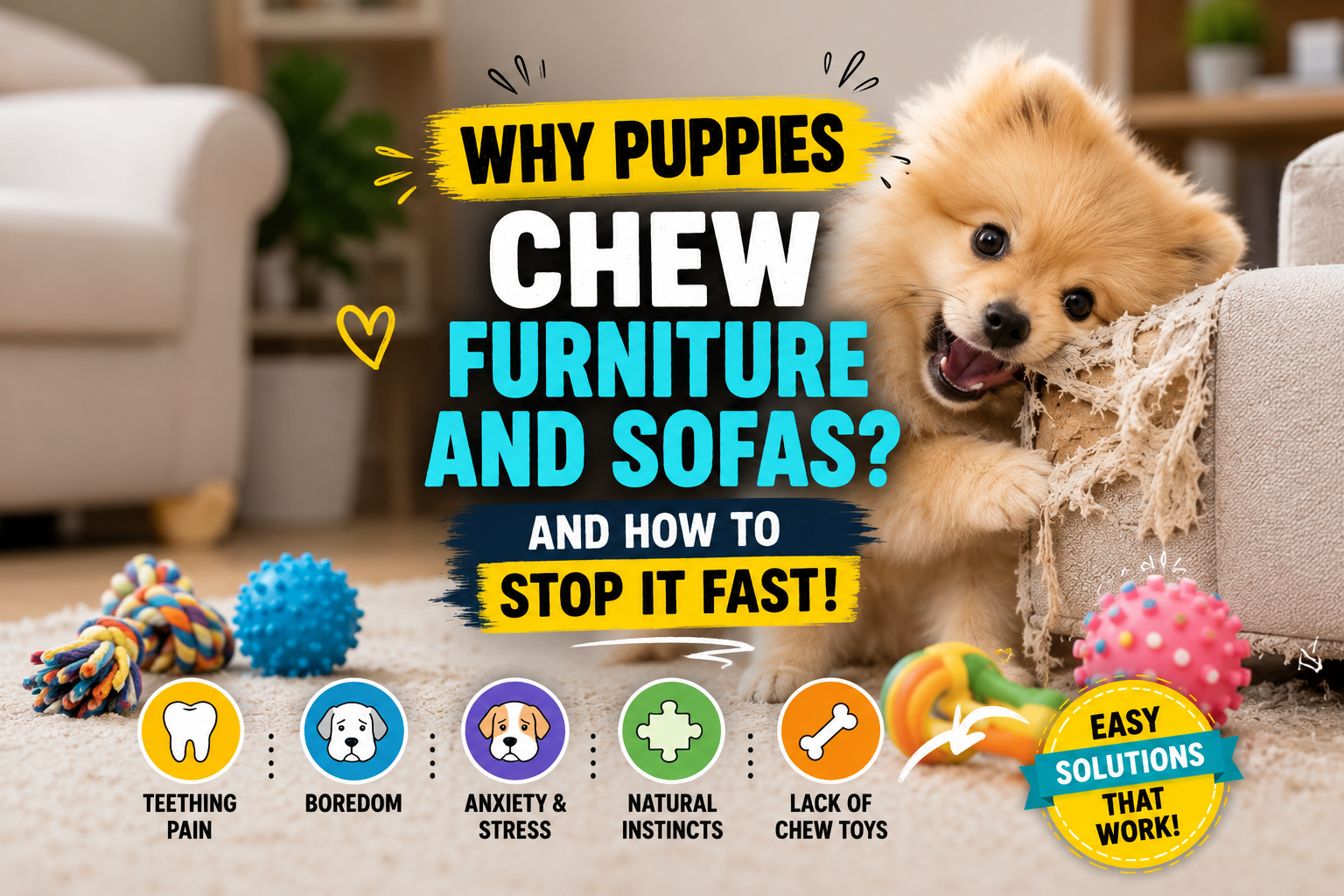
- Why Puppies Chew Furniture and Sofas (And How to Stop In 1 week)
- Best Dog Breeds for First-Time Owners
Trusted Resources (External Links)
For additional expert guidance, naturally link within the content to:
- American Kennel Club (AKC) – Puppy Training
- American Veterinary Medical Association (AVMA)
- American Animal Hospital Association (AAHA)
- Fear Free Pets
- RSPCA Puppy Training Advice
- Follow us on Pinterest
Conclusion
Every puppy owner experiences the biting stage—but it doesn’t last forever. With patience, positive reinforcement, and daily practice, you’ll raise a well-mannered companion who knows exactly what is and isn’t okay to chew.
Have you tried any of these techniques? Share your experience in the comments below—we’d love to hear what worked for your puppy!
If you found this guide helpful, don’t forget to share it with fellow dog owners and explore more expert puppy care tips here on CutePawWorld.