

Introduction –
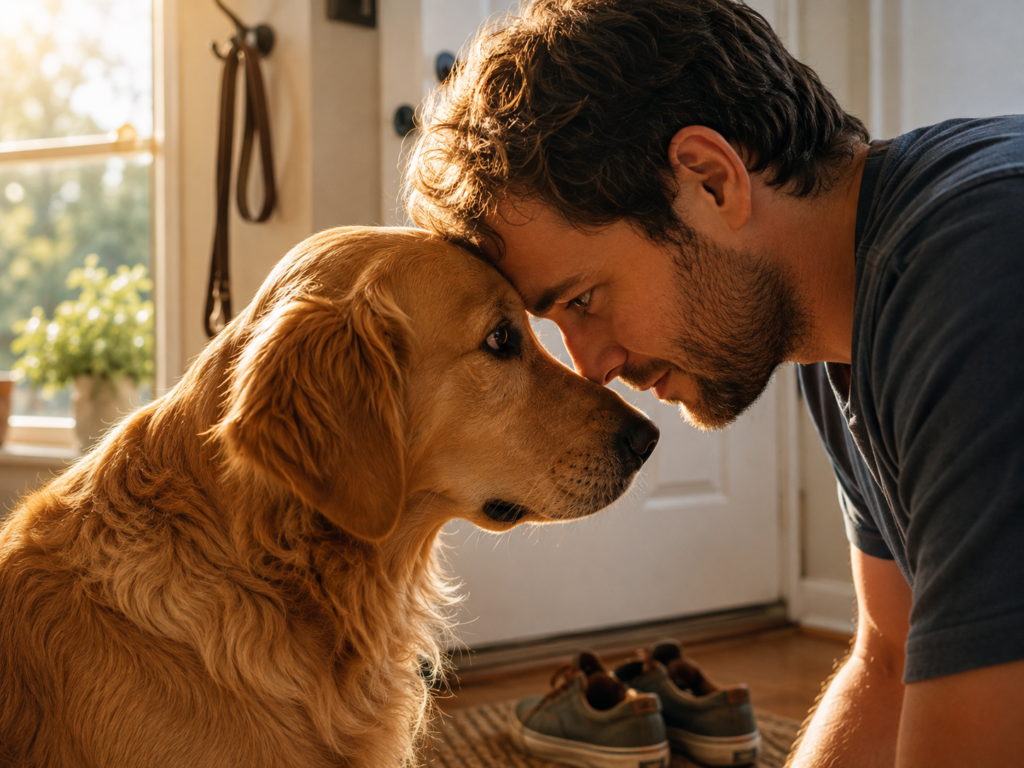
You walk through the door after a brutal day at work, and before you’ve even set your bag down, your dog is already acting differently — quieter, closer, gentler than usual. You didn’t say a word. You didn’t cry. You didn’t even sigh out loud. So how did he know?
That moment is the starting point for this entire article, because it turns out your dog wasn’t guessing. Science has spent the last decade quietly confirming what dog owners have suspected for generations: dogs are reading us far more closely than we read ourselves. These are the 7 shocking things dogs know about you that go well beyond “he knows when I’m sad” — and once you understand the research behind them, you’ll never look at your dog’s stare, sniff, or head-tilt the same way again.
This isn’t a listicle of cute anecdotes. Every one of the 7 shocking things dogs know about you covered here comes from peer-reviewed research, university labs, and behavioral studies — not internet folklore. By the end, you’ll understand exactly what your dog is picking up on, why it evolved that way, and what it means for how you train, live with, and bond with him.
I’ve spent years fostering rescue dogs, and the one pattern that never stopped surprising me is how quickly a newly adopted dog — one who has zero history with me, zero reason to trust me yet — starts responding to things I hadn’t consciously communicated. A flinch in my shoulders. A half-second pause before I open a door. That personal experience is exactly why I went looking for the research behind it, and what I found genuinely reframed how I think about the dog-human relationship. This isn’t a soft, sentimental bond built on vague vibes. It’s a hard-wired, biologically measurable communication system, and the 7 shocking things dogs know about you are simply the clearest, best-documented examples of it in action.
What We Assume vs. What Dogs Actually Know
Most owners assume their dog is simply “intuitive” in some vague, mystical way. The truth is far more precise — and far more fascinating. Dogs aren’t reading your mind. They’re reading measurable biological signals: your scent chemistry, your facial micro-expressions, your vocal pitch, your patterns of behavior, and even your intentions.
Here’s a quick comparison of the common assumption versus what’s actually happening, biologically speaking:
| What Owners Usually Assume | What’s Actually Happening (Science) |
|---|---|
| “He just senses my mood somehow” | He’s detecting cortisol changes in your sweat and breath |
| “She can read my mind” | She’s matching your vocal tone to your facial expression in real time |
| “He loves me unconditionally, no questions asked” | His oxytocin levels rise specifically through mutual eye contact with you |
| “She just likes routine” | She’s tracking your circadian patterns and anticipating them minutes in advance |
| “He always knows when I’m about to leave” | He’s picking up on sequences of micro-behaviors (keys, shoes, posture shifts) |
| “She never falls for tricks” | She evaluates your past reliability before deciding whether to trust your cues |
This table alone should reframe how you think about your dog’s “sixth sense.” It isn’t magic — it’s one of the most sophisticated interspecies communication systems in the animal kingdom, and it’s the foundation for everything on this list of the 7 shocking things dogs know about you.
1. They Can Literally Smell Your Stress
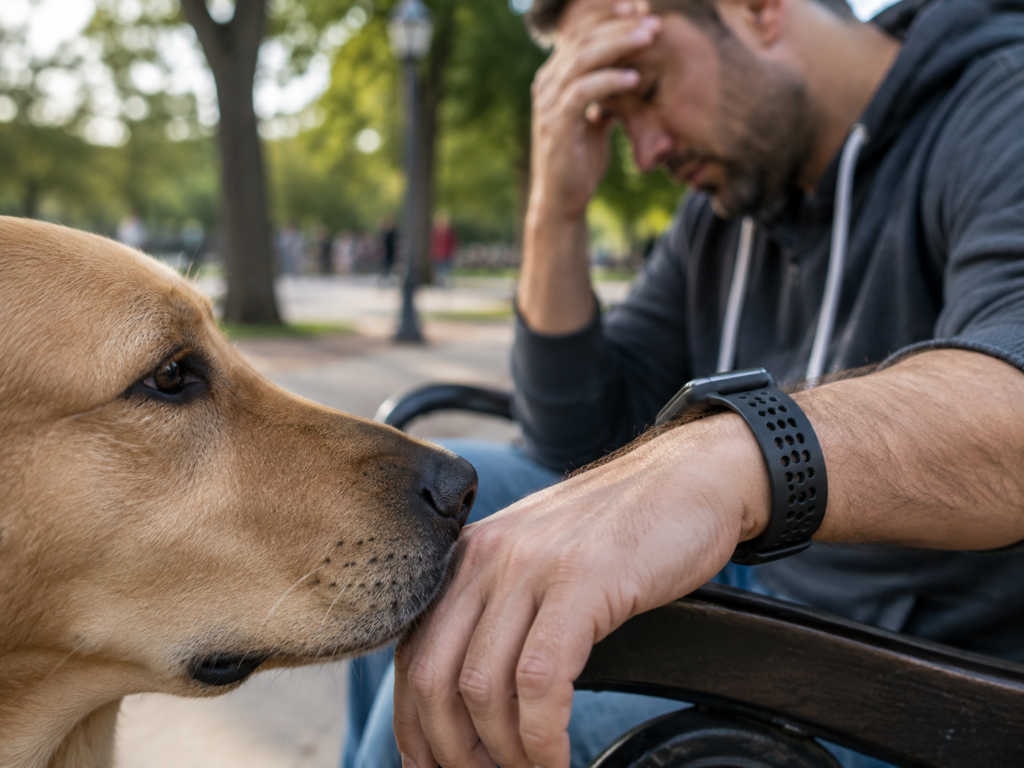
This is arguably the most surprising of the 7 shocking things dogs know about you, because it doesn’t rely on visual cues at all — just scent.
Researchers at the University of Bristol and Cardiff University ran a study on how dogs respond to human stress odor, collecting sweat and breath samples from volunteers before and after stressful tasks like public speaking and timed math problems. When dogs were exposed to the “stressed” samples versus the “relaxed” ones, their behavior shifted measurably — even though the samples came from complete strangers, not their own owners.
What makes this genuinely shocking is the mechanism. Stress triggers a spike in cortisol, and that hormonal shift subtly changes your body odor. Dogs, with a sense of smell tens of thousands of times more sensitive than ours, pick up on that shift almost instantly. According to the American Kennel Club’s coverage of the research, dogs exposed to stress odor became more hesitant and cautious in decision-making tasks — essentially “catching” a version of your anxiety.
A few practical takeaways from this finding:
- Your dog may become clingy or restless during high-stress weeks, even if you think you’re hiding it well.
- Dogs of first responders, nurses, and shift workers may show behavior changes tied directly to their owner’s stress cycles.
- This is part of why therapy and service dogs can be trained to detect anxiety attacks before the person themselves notices symptoms.
So the next time your dog won’t leave your side during a stressful week, understand this: he’s not being needy. He’s responding to a biological signal you didn’t even know you were sending.
There’s also a quieter, longer-term version of this effect worth mentioning. Separate research has found that a dog’s long-term cortisol levels tend to mirror their owner’s over time — not just in acute moments of panic, but as a kind of slow-drip synchronization across weeks and months. If you’re chronically stressed, your dog’s baseline stress hormones may creep upward right along with yours, even on days when nothing dramatic happens. It’s one of the more sobering entries on this list of the 7 shocking things dogs know about you, because it’s a reminder that your dog’s wellbeing is genuinely tethered to your own, in ways neither of you consciously chooses.
2. They Read Your Face Better Than Most Humans Realize
The second of the 7 shocking things dogs know about you is how precisely dogs process human facial expressions — not as a blur, but as structured, meaningful information.
In a widely cited study covered by Science Daily, researchers from the UK and Brazil showed dogs pairs of human facial photos — one happy, one angry — alongside audio clips of a voice speaking in either a cheerful or aggressive tone. Without any training, the dogs consistently looked longer at the facial expression that matched the emotional tone of the voice. That means the dogs weren’t just reacting to sound or sight in isolation — they were combining both senses to build a unified read of the person’s emotional state, a skill once thought to be almost uniquely human.
Other eye-tracking research has found that dogs scan human faces systematically, focusing heavily on the eye region, and that they process the entire composition of a face — eyes, midface, and mouth together — rather than fixating on one feature. In other words, your dog isn’t glancing at you. He’s studying you.
This explains a few everyday mysteries:
- Why your dog seems to “know” you’re annoyed before you’ve said anything.
- Why forced or fake smiles sometimes don’t get the tail-wag response that genuine ones do.
- Why dogs raised around more human interaction tend to be quicker at reading subtle facial cues than dogs with less exposure.
If you only remember one of the 7 shocking things dogs know about you from this section, let it be this: your dog is watching your face with the same seriousness most of us reserve for reading another person’s mood before a difficult conversation.
Anecdotally, I noticed this most clearly with a foster dog who had clearly had a rough start with people. For the first week, she wouldn’t hold eye contact with a neutral expression at all — but the moment I genuinely smiled, her whole posture would loosen. No treat, no cue word, nothing but a facial expression. Once you know the research, that reaction stops feeling like coincidence and starts feeling like exactly what it is: real-time facial recognition, running constantly in the background of every interaction you have with your dog.
3. Eye Contact With You Chemically Changes Their Brain (and Yours)
Of all the 7 shocking things dogs know about you, this one is the most emotionally significant — because it’s mutual.
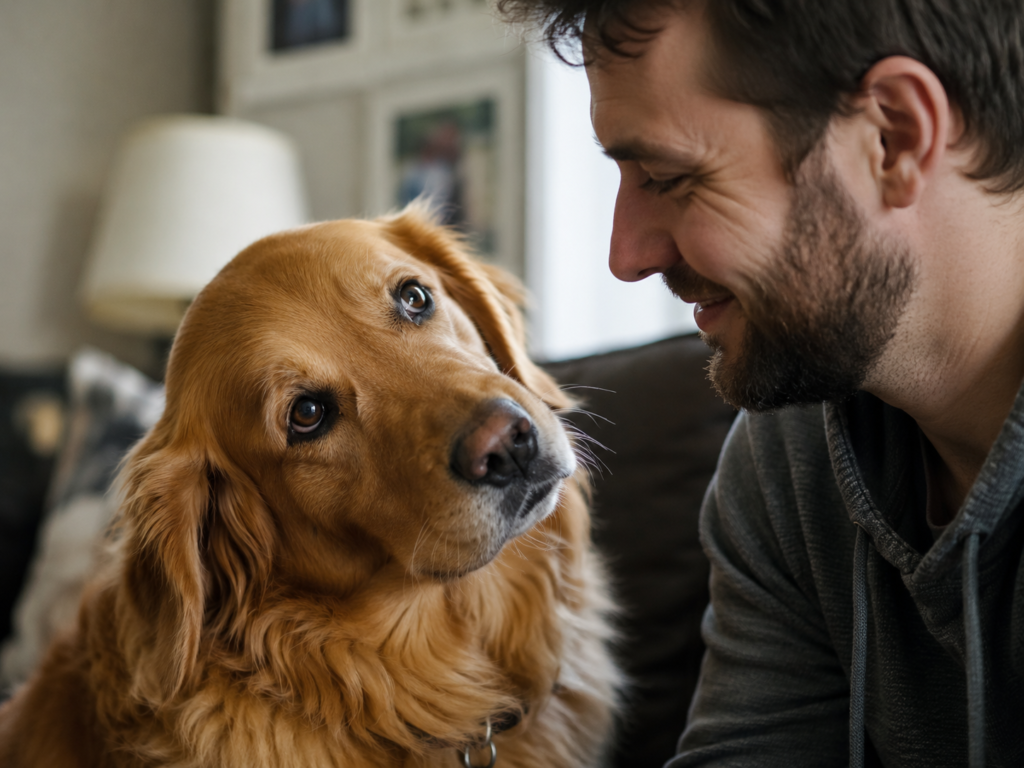
A landmark study published in the journal Science found that when dogs and their owners gazed into each other’s eyes, both species experienced a measurable spike in oxytocin — the same hormone responsible for the bond between a parent and infant. As CBS News reported on the research, lead researcher Takefumi Kikusui described the effect as “owner-dog bonding… comparable to human parent-infant bonding.” Interestingly, the same effect did not occur between hand-raised wolves and their human caretakers — suggesting this gaze-triggered bonding loop evolved specifically during dog domestication.
Here’s the part that tends to surprise people the most: it’s a loop, not a one-way street. Your dog’s gaze raises your oxytocin. Your oxytocin-driven affection (petting, soft voice, relaxed posture) raises your dog’s oxytocin. That, in turn, increases their motivation to gaze at you again. It’s a self-reinforcing biological feedback system that most owners have never heard of, despite experiencing it daily.
So when your dog “asks” for eye contact by nudging your hand or angling their face toward yours, they’re not just seeking attention. They’re initiating a genuine hormonal bonding event.
It’s worth noting that this loop isn’t automatic or guaranteed for every dog — breed history and early-life experience with humans both play a role in how strongly it kicks in. Dogs with limited early socialization, or breeds bred for more independent work, may show a more muted version of the effect. But the underlying mechanism is the same, which is part of what makes this one of the most quietly profound entries on this list of the 7 shocking things dogs know about you: your dog isn’t performing affection for a reward. Their brain chemistry is genuinely, measurably shifting because of you.
4. They Know the Difference Between “Can’t” and “Won’t”
This entry among the 7 shocking things dogs know about you gets into something closer to social reasoning than pure sensory detection.
Researchers testing what’s called the “unwilling vs. unable” paradigm found that dogs respond very differently when a person deliberately withholds a treat compared to when the person accidentally or physically cannot give it to them — for example, if they fumble it or are blocked by an obstacle. In the Scientific Reports study on this behavior, dogs showed more patience and less frustration-related behavior (like walking away or barking) when the withholding was clearly unintentional, and more frustration when it appeared deliberate.
This tells us dogs aren’t just reacting to outcomes — not getting a treat — but are actually interpreting your intent behind the outcome. That’s a meaningfully more advanced form of social cognition than most owners give their dogs credit for.
Taken together with the previous point on this list of 7 shocking things dogs know about you, it’s clear dogs aren’t passively responding to us — they’re actively building a working model of our intentions. This has direct, practical relevance for training. If you fumble a treat delivery or accidentally step on a paw during a walk, most dogs will shrug it off with minimal frustration — because they’ve correctly read it as unintentional. But repeated, genuinely intentional withholding (using treats to tease rather than reward, for example) registers very differently. Of all the 7 shocking things dogs know about you, this is the one that most directly rewards fair, consistent handling and quietly punishes manipulative or inconsistent training habits.
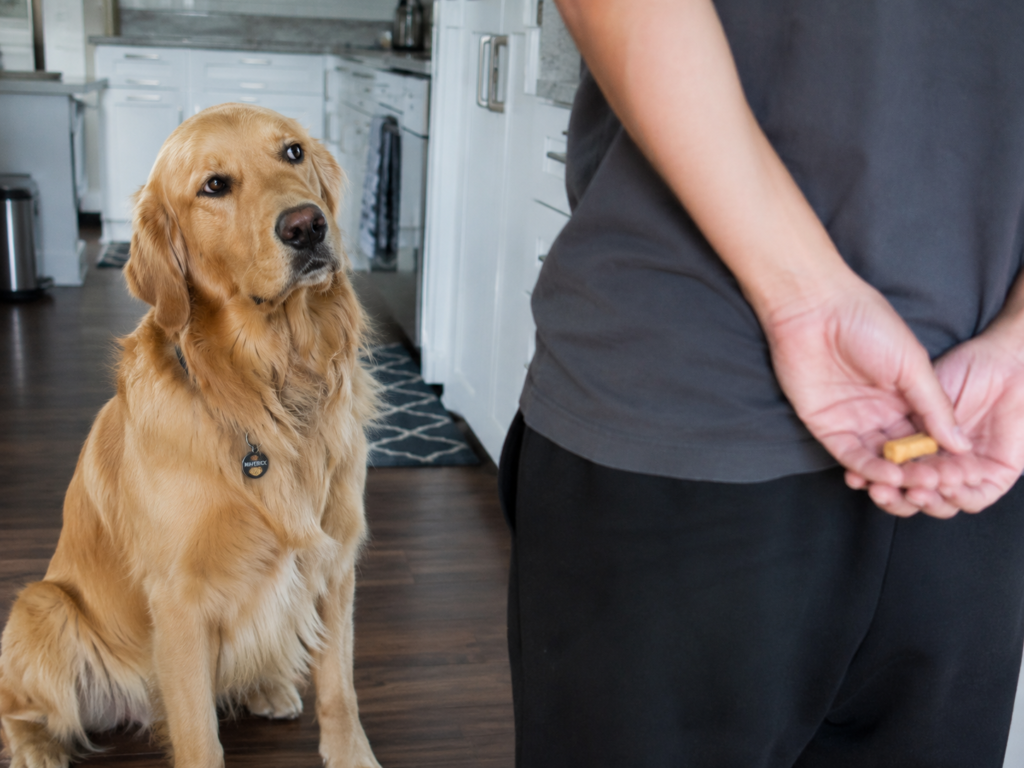
5. They Can Tell When You’re Lying to Them
Perhaps the most attention-grabbing of the 7 shocking things dogs know about you: dogs appear capable of detecting deception.
In research covered by Live Science, scientists tested how dogs reacted to a person who gave them false information about where food was hidden — comparing a person who was simply mistaken to one who was deliberately misleading them. The dogs reacted differently to the two scenarios, suggesting they were tracking not just what they were told, but whether the person telling them actually believed it. Researchers described this as evidence of a rudimentary “theory of mind” — the same cognitive skill humans typically develop around age four.
A related study on dogs’ sensitivity to informant accuracy found something equally interesting: dogs keep a kind of internal scorecard. If a person has previously given them unreliable or misleading cues, dogs become measurably less likely to trust that person’s pointing gestures in the future — while continuing to trust a person with a track record of accuracy.
Translation: your dog is quietly evaluating your credibility every single time you interact with him. Consistently follow through on cues and commands, and you’re building trust capital. Bluff your way through commands you don’t intend to enforce, and your dog notices.
This is precisely why trainers so often repeat the phrase “never give a command you’re not prepared to enforce.” It isn’t just a discipline tip — it’s backed by real evidence that dogs are running a kind of ongoing credibility audit on the people around them. Say “come” in a warning tone and never follow through, and you’re not just failing that one command. You’re quietly eroding your standing on one of the most sophisticated of the 7 shocking things dogs know about you.
6. They Pick Up On Your Daily Rhythms Before You Consciously Notice Them
Every dog owner has experienced this version of the 7 shocking things dogs know about you: your dog is waiting by the door minutes before you were even planning to leave, or starts pacing near the food bowl right as your alarm-adjacent routine kicks in.
This isn’t mystical timekeeping. Dogs are extraordinarily good at picking up on sequences of small behavioral cues that precede an event — the specific way you put on shoes before a walk, the sound of a particular drawer before mealtime, the shift in your body posture before you stand up to leave for work. Classical conditioning research (the same foundational principle behind Pavlov’s famous experiments) shows that animals link previously neutral cues to outcomes with remarkable precision when the pairing repeats consistently.
What’s genuinely underappreciated here is how fine-grained this pattern recognition is. Your dog isn’t just learning “morning means breakfast.” He’s learning the exact 10-second window of micro-behaviors that precedes breakfast, and he’s often faster at noticing behavioral pattern breaks than you are. This is also why dogs often show anxiety around unpredictable schedules — the pattern they’ve built their sense of security on has been disrupted.
Combined with point five on this list, it’s worth remembering that the same dog quietly auditing your reliability is also the one meticulously tracking your schedule — which is exactly why the 7 shocking things dogs know about you all point toward one bigger idea: dogs build detailed, evidence-based models of the humans they live with. I’ve watched this play out almost comically with my own dog on weekends. On weekdays, the sequence is always the same — alarm, kitchen, leash by the door. On Saturdays, when that sequence doesn’t happen on schedule, he doesn’t just wait patiently; he actively checks each of the usual trigger points, one by one, as if running through a mental checklist. That’s not random pacing. That’s a dog methodically testing a pattern he’s built with genuine precision — one of the more quietly impressive of the 7 shocking things dogs know about you.
7. They Understand Your Tone and Your Words as Two Separate Signals
The final entry in our 7 shocking things dogs know about you comes from neuroscience, not just behavior.
A team led by Dr. Attila Andics at Eötvös Loránd University used fMRI brain scans on dogs trained to lie still in the scanner, then played them recordings of praise words and neutral words, each spoken in both an excited and a flat tone. As reported by PBS News, the results showed dogs process word meaning in the left hemisphere of the brain — just like humans — and intonation in the right hemisphere. Critically, the dog’s reward center only activated fully when the word and the tone matched. A praise word said in a flat, unenthusiastic voice didn’t light up the same reward pathways as genuine, matched praise.
This means dogs aren’t fooled by empty words said in a warm tone, and they’re not just reacting to your pitch while ignoring your vocabulary. They’re processing both channels independently and then merging them — almost exactly how the human brain handles speech. It’s one of the clearest pieces of evidence that dogs’ understanding of us evolved in parallel with how we understand each other.
Why These 7 Things Matter for Your Life With Your Dog
Understanding the 7 shocking things dogs know about you isn’t just a fun trivia list — it has real, practical implications:
- Training becomes more effective once you realize your dog is reading your intent, tone, and consistency, not just your commands.
- Your emotional state directly affects your dog’s wellbeing, since stress genuinely transfers through scent and behavior.
- Trust is built (or broken) in small daily moments — inconsistent commands or empty threats are quietly logged by your dog’s internal reliability tracker.
- Eye contact is a bonding tool, not just a moment of connection — it’s a literal hormonal exchange.
- Routine disruption is a real stressor, not just an inconvenience, because your dog’s sense of security is partly built on predictable sequences.
If you’re working through a leash training and basic commands routine with a new puppy, these insights matter even more — a dog that trusts your tone, reads your intent accurately, and feels emotionally secure in your routine will respond to training far faster than one who’s picking up on mixed signals.
Internal Links
- 10 Best Slow Feeder Dog Bowls for Fast Eaters (2026): Stop Dangerous Gulping & Improve Digestion
- First 30 Days With a New Puppy: The Ultimate Survival Guide to Avoid Common Mistakes & Raise a Happy Dog
- Best Dog Food for Sensitive Stomach: Vet-Approved Picks That Actually Work in 2026!
- Puppy Biting Everything? 10 Proven Ways to Stop Destructive Chewing
- Brain Training for Dogs Review 2026: Honest Results, Powerful Benefits & Hidden Downsides
- Why Do Dogs Kick After Pooping? The Surprising Truth Every Dog Owner Should Know
How to Actually Use This Knowledge Day to Day
Knowing the 7 shocking things dogs know about you is interesting on its own, but the real value is in applying it. Here are a few concrete ways to put this research to work:
- Manage your own stress before a training session. Since dogs can smell cortisol shifts, a tense, rushed training session will often produce a tense, distracted dog — regardless of how patient your voice sounds.
- Match your tone to your words, every time. Because dogs process intonation and vocabulary as separate signals that need to align, saying “good boy” in a flat or sarcastic tone genuinely doesn’t land the same way as saying it with real warmth.
- Follow through on every command you give. Since dogs track your reliability over time, empty commands quietly erode your authority far more than owners realize.
- Use eye contact intentionally. A few seconds of calm, soft eye contact during affectionate moments taps directly into the oxytocin-gaze loop and deepens your bond in a literal, measurable way.
- Keep routines reasonably consistent, especially during your dog’s first few months in a new home, since disrupted patterns are a genuine (if underrated) source of canine stress.
None of this requires new training equipment or techniques — it just means applying the 7 shocking things dogs know about you to the interactions you’re already having every single day. Once these ideas click, you’ll start noticing the 7 shocking things dogs know about you playing out constantly, in moments you used to write off as coincidence.

Frequently Asked Questions About the 7 Shocking Things Dogs Know About You
Can dogs really smell when I’m anxious? Yes. Research shows dogs can detect cortisol-linked changes in human sweat and breath, allowing them to identify stress even in people they’ve never met before.
Do dogs actually understand human words, or just tone? Both. Brain imaging studies show dogs process word meaning and vocal tone in separate brain regions, then combine the two — much like humans do.
Why does my dog seem to “know” when I’m about to leave the house? Dogs are highly skilled at recognizing sequences of small behavioral cues (shoes, keys, posture changes) that reliably precede an event, allowing them to anticipate it in advance.
Can dogs actually tell when someone is lying to them? Research suggests dogs respond differently to a person who is mistaken versus one who is intentionally misleading them, and they track an individual’s past reliability before deciding whether to trust their cues in the future.
Is my dog’s mood really affected by mine? Yes — because dogs pick up on stress-related scent changes and can mirror an owner’s long-term cortisol patterns, chronic stress in an owner’s life can genuinely affect a dog’s baseline emotional state over time.
Final Thoughts
The 7 shocking things dogs know about you covered in this post aren’t internet myths — they’re documented, peer-reviewed findings from some of the top behavioral science labs in the world. Your dog is quietly reading your scent, your face, your voice, your intentions, and your routines with a level of precision that would surprise most owners.
The next time your dog rests his head on your lap on a hard day, or hesitates before trusting a command, remember: none of it is random. It’s the result of thousands of years of co-evolution, built specifically so your dog could understand you.
Understanding the 7 shocking things dogs know about you won’t just make you a more informed owner — it’ll make every quiet moment with your dog feel a little more remarkable.
Which of these 7 shocking things dogs know about you surprised you the most? Drop a comment below and tell us — we’d love to hear your dog’s version of these stories. And if you’re still working on the basics with your pup, check out our beginner-friendly dog training guide to start building that trust from day one.
Conclusion
Dogs may not speak our language, but they are constantly watching and learning from us. The 7 shocking things dogs know about you reveal just how much your dog can understand from your daily behavior.
The 7 shocking things dogs know about you include your mood, routines, body language, and subtle changes that you may not even notice yourself.
What makes the 7 shocking things dogs know about you so fascinating is that dogs use their powerful senses, memory, and experience to understand the people they love.
The 7 shocking things dogs know about you also explain why your dog sometimes seems to know when you’re happy, stressed, tired, or about to leave.
Once you understand the 7 shocking things dogs know about you, many of your dog’s strange little behaviors may suddenly make sense.
These 7 shocking things dogs know about you are a beautiful reminder of how observant and emotionally connected dogs can be.
Ultimately, the 7 shocking things dogs know about you show that your dog may understand far more about you than you ever realized. 🐶❤️