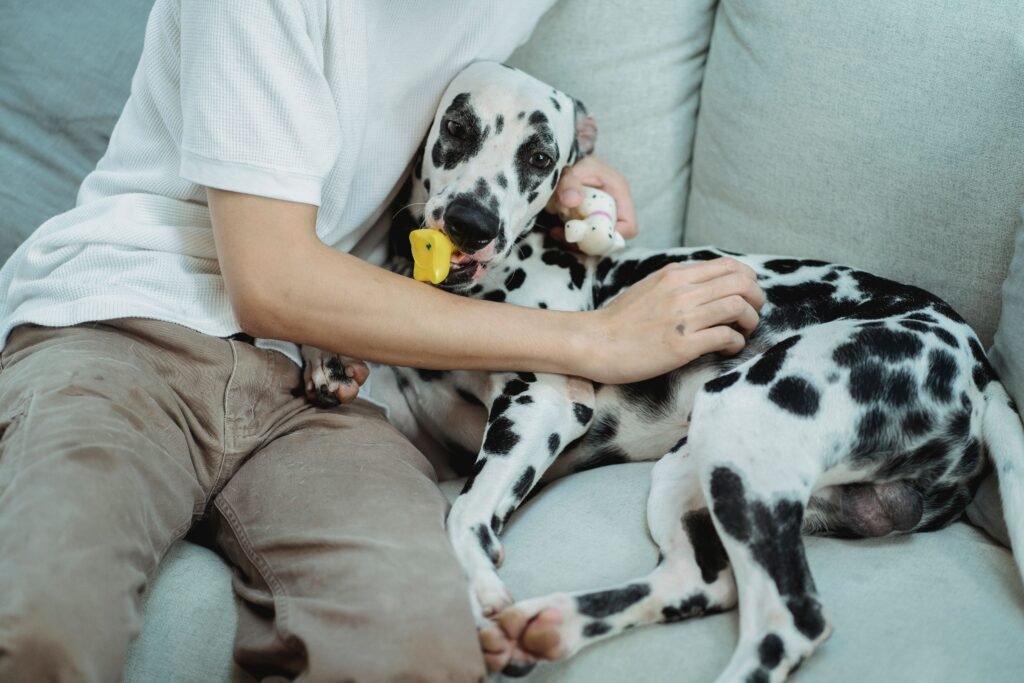

Winter can be a beautiful season for dogs. Some love playing in fresh snow, running through parks and exploring new smells. However, cold weather also brings hidden dangers that every dog owner should understand.
Following 15 Powerful Winter Safety Tips for Dogs can help you protect your furry friend from freezing temperatures, damaged paws, toxic chemicals and other seasonal hazards.
Not every dog handles winter weather in the same way. A Chihuahua, Golden Retriever, Siberian Husky and senior Labrador have different needs. Your dog’s size, coat, age, health and activity level all affect how well they tolerate cold weather.
Even dogs with thick fur can experience cold-related problems when conditions become extreme.
In this guide, you’ll discover practical ways to keep your dog warm, healthy and comfortable throughout winter. We’ll cover outdoor safety, paw protection, winter clothing, nutrition, hydration, indoor activities and emergency care.
You don’t need to spend a fortune on pet accessories. Small daily habits can make a big difference.
Why Winter Safety Matters for Dogs
Winter creates several risks for dogs, including cold exposure, slippery surfaces, paw irritation and accidental contact with dangerous chemicals. Puppies, senior dogs, small breeds and pets with existing health conditions may need extra protection. Understanding these risks helps you build a safer daily routine.
Many dog owners focus only on providing warm clothing. But winter safety involves much more.
Consider these situations:
- Your dog walks over sidewalks covered with de-icing salt.
- Snow becomes trapped between the toes.
- Your dog drinks water from a puddle containing antifreeze.
- Wet clothing remains on your dog after a walk.
- Your senior dog slips on an icy surface.
- Your pet spends too much time in an unheated outdoor area.
Each situation can create unnecessary health risks.
According to Cornell University College of Veterinary Medicine, dogs have different levels of cold tolerance, and some need additional protection during winter.
Before winter begins, consider your dog’s age, coat, size, body condition and general health.15 Powerful Winter Safety Tips for Dogs
1. Understand Your Dog’s Cold Weather Tolerance

Every dog responds differently to cold temperatures. Small dogs, puppies, senior dogs and short-haired breeds may become uncomfortable faster than healthy adult dogs with thick coats. Watch your dog’s behavior instead of relying only on the temperature displayed by a weather app.
This is the foundation of 15 Powerful Winter Safety Tips for Dogs because every other winter care decision depends on understanding your pet.
Which Dogs Are More Sensitive to Cold?
Some dogs need additional protection because they lose body heat more easily.
| Dog type | Why extra care may be needed |
|---|---|
| Chihuahua | Small body and short coat |
| Greyhound | Thin coat and low body fat |
| Dachshund | Short legs keep the body close to cold ground |
| French Bulldog | Individual health and breathing considerations |
| Puppy | Developing temperature regulation |
| Senior dog | Age-related mobility and health issues |
| Underweight dog | Less insulation against cold |
Even thick-coated breeds can experience cold-related problems when exposed to unsuitable conditions.
How to Recognize Cold Discomfort
Watch for these warning signs:
- Shivering.
- Slowing down during walks.
- Frequently lifting paws.
- Whining or unusual anxiety.
- Hunching the body.
- Trying to return home.
Pro tip: If your dog appears uncomfortable, end the outdoor activity and move indoors. Never force your pet to complete a planned walk.
2. Choose the Right Winter Dog Jacket
A properly fitted winter jacket can help dogs with short coats, small bodies or reduced cold tolerance stay comfortable outdoors. Choose an insulated garment that covers the chest and back without restricting normal movement, breathing or walking.
[IMAGE: Small Chihuahua wearing a comfortable winter jacket in a snowy park | Alt text: Small dog wearing a warm winter jacket for cold weather protection]
Not every dog needs clothing. Thick-coated breeds may already have enough natural insulation for ordinary winter conditions.
However, a suitable jacket can help dogs that struggle with low temperatures.
What Should You Check Before Buying?
Look for these features:
- Proper chest and back coverage.
- Comfortable material.
- Suitable insulation.
- Water resistance.
- Easy cleaning.
- Adjustable fasteners.
- Enough room for natural movement.
Measure your dog’s neck, chest and back according to the manufacturer’s sizing instructions.
Common Mistake: Leaving a Wet Jacket On
A damp jacket can make your dog uncomfortable and contribute to chilling.
Remove wet clothing after returning home. Dry your dog and use clean, dry clothing when needed.
Affiliate product idea: Compare insulated dog jackets and waterproof winter coats before recommending products to readers. 15 Powerful Winter Safety Tips for Dogs
3. Protect Your Dog’s Paws from Ice and Salt
Your dog’s paws need special attention during winter because ice, rough surfaces and chemical de-icers can cause irritation, cracking and injuries. Check between the toes after every outdoor walk, remove packed snow and rinse away salt or chemical residue.

Paw protection is one of the most overlooked parts of 15 Powerful Winter Safety Tips for Dogs.
People often check their dog’s coat but forget to inspect the feet.
Why Are Winter Walks Hard on Dog Paws?
Several things can cause discomfort:
- Ice can collect between the toes.
- Rock salt may irritate paw pads.
- Rough frozen surfaces can cause small injuries.
- Wet conditions can worsen existing irritation.
- Dogs may lick contaminated paws and swallow chemicals.
How to Protect Your Dog’s Paws
- Inspect all four paws before going outside.
- Consider properly fitted dog boots.
- Use veterinarian-approved paw balm when appropriate.
- Avoid heavily salted walking routes.
- Wipe paws with a clean, damp cloth after walks.
- Check between the toes for redness or cuts.
- Dry the feet thoroughly.
Never pull hard at frozen material stuck to the skin. If you notice bleeding, swelling or significant pain, contact your veterinarian.
Pro tip: Introduce dog boots gradually at home. Let your pet wear them for a few minutes before attempting longer walks.
4. Create a Warm and Comfortable Sleeping Area
Your dog needs a dry, warm sleeping space away from cold drafts. Place a comfortable bed on an insulated surface, provide clean blankets and keep the sleeping area away from damp windows, open doors and cold floors.
A comfortable sleeping area is particularly useful for senior dogs and pets that spend most of their time indoors.
How to Set Up the Sleeping Area
- Choose a bed with enough room for your dog to stretch.
- Place it away from direct drafts.
- Add washable blankets.
- Keep bedding dry.
- Wash bedding regularly.
- Check the floor temperature around the bed.
If your dog sleeps on tiles, consider an insulated dog bed or thick washable mat.
Avoid Unsafe Heating Products
Heating pads and electric blankets can cause burns if used incorrectly. Dogs may chew electrical cords, and some pets cannot move away from excessive heat easily.
Use only pet-safe heating products according to the manufacturer’s instructions.
Common mistake: Placing a dog bed directly beside a heater or fireplace can create a burn or overheating risk. 15 Powerful Winter Safety Tips for Dogs
5. Adjust Outdoor Walks During Extremely Cold Weather
Winter walks should be shorter when conditions become uncomfortable. Your dog still needs exercise, but long outdoor sessions are unnecessary when temperatures, wind chill or icy surfaces create risks. Choose safer routes and watch your pet throughout the walk.
A good winter routine focuses on comfort rather than distance.
How to Plan a Safer Walk
- Check the weather before leaving.
- Choose daylight hours when practical.
- Avoid icy roads and slippery pathways.
- Use a secure leash and comfortable harness.
- Carry a small towel.
- Return home if your dog shows discomfort.
Dogs accustomed to warm climates may need time to adjust to colder conditions.
There is no single temperature that is safe for every dog. Wind, moisture, health and individual tolerance all matter.
What About Puppies and Senior Dogs?
Puppies may not regulate body temperature as effectively as healthy adult dogs. Senior dogs may also have arthritis or mobility problems that make slippery surfaces more dangerous.
Ask your veterinarian about a suitable outdoor exercise routine.
6. Never Ignore Antifreeze and Winter Chemicals
Antifreeze is one of the most serious winter hazards around vehicles. Products containing ethylene glycol can cause life-threatening poisoning if swallowed. Keep containers securely stored, clean spills immediately and never allow your dog to investigate unknown liquids around garages or driveways.
This warning deserves special attention.
Ethylene glycol poisoning can cause severe kidney damage. Do not wait for symptoms if you suspect your dog has swallowed antifreeze.
Common Places Where Antifreeze May Be Found
- Garage floors.
- Driveways.
- Parking areas.
- Vehicle maintenance spaces.
- Leaking vehicles.
Other de-icing products can also irritate paws or cause digestive problems if swallowed.
What Should You Do?
- Store chemicals in closed containers.
- Keep them inside locked cabinets.
- Clean spills immediately.
- Prevent your dog from licking suspicious puddles.
- Wipe your dog’s feet after winter walks.
If ingestion is suspected, contact an emergency veterinarian immediately. Do not try home remedies or wait for your dog to become sick.
Read the ASPCA cold weather safety recommendations for additional information about antifreeze, de-icing products and winter pet care.
7. Keep Your Dog’s Coat Clean and Dry
A clean, well-maintained coat helps your dog stay comfortable during winter. Brush regularly to remove loose hair, dirt and tangles. Dry your pet after rain, snow or wet walks, and avoid unnecessary bathing during particularly cold periods.
Good grooming is another part of 15 Powerful Winter Safety Tips for Dogs because a dirty, tangled or damp coat may affect comfort.
Winter Grooming Tips
- Brush long-haired dogs regularly.
- Check the fur around the paws.
- Remove dirt and dried mud.
- Dry the coat after outdoor activities.
- Use dog-friendly shampoo.
- Avoid shaving double-coated breeds without professional advice.
Some dogs develop dry or flaky skin during winter. Indoor heating and low humidity may contribute to skin discomfort.
If you notice persistent itching, redness, hair loss or unusual skin changes, speak with your veterinarian.
Common mistake: Giving your dog frequent baths simply because winter walks make the coat dirty. Too much bathing can remove natural skin oils.
8. Maintain Proper Nutrition and Healthy Body Weight
Your dog needs a balanced diet throughout winter, but colder weather does not automatically mean more food. Activity levels, body condition, age and health determine nutritional needs. Monitor your dog’s weight and adjust portions only when necessary.
Nutrition is often misunderstood during winter.
Some owners increase food portions because they assume every dog burns more calories in cold weather. Indoor pets may actually exercise less during winter and gain unwanted weight.
What Should Your Dog Eat?
Continue feeding complete and balanced dog food appropriate for your pet’s life stage.
Pay attention to:
- Daily food portions.
- Treat consumption.
- Exercise levels.
- Body condition.
- Changes in appetite.
- Water intake.
If your dog spends considerable time outdoors in cold conditions, energy needs may change. Discuss significant dietary adjustments with your veterinarian.
Avoid These Feeding Mistakes
- Giving excessive treats.
- Sharing rich holiday meals.
- Changing food suddenly.
- Adding supplements without professional advice.
- Assuming a thicker body means better cold protection.
Pro tip: Weigh your dog periodically and keep a simple record. Small changes are easier to manage when noticed early.
9. Prevent Dehydration During Winter
Dogs can become dehydrated in winter even when they do not appear thirsty. Dry indoor air, exercise and reduced access to fresh water can affect hydration. Keep clean drinking water available throughout the day and check that outdoor water bowls have not frozen.

Hydration belongs in 15 Powerful Winter Safety Tips for Dogs because water intake should never become an afterthought during colder months.
Easy Ways to Encourage Drinking
- Place fresh water in an accessible location.
- Wash the water bowl daily.
- Replace dirty water.
- Keep outdoor bowls from freezing.
- Carry water during longer walks.
- Monitor changes in drinking habits.
If your dog suddenly drinks much more or much less than usual, consult a veterinarian.
Should You Give Warm Water?
Fresh water at a comfortable room temperature is generally suitable. You do not need to force your dog to drink warm water.
Avoid extremely hot water or placing bowls near unsafe heating equipment.
10. Keep Your Dog Away from Frozen Lakes and Ponds
Frozen lakes and ponds can be extremely dangerous for dogs. Ice may look solid while remaining too thin to support your pet’s weight. Keep your dog on a leash near frozen water, choose alternative walking routes and never allow your pet to run onto frozen surfaces.
[IMAGE: Dog on a leash standing safely on a snowy lakeside path | Alt text: Dog staying safe near a frozen lake during winter]
A frozen surface is not a safe playground.
Even dogs that swim well can struggle in icy water. Cold exposure, panic and difficulty climbing out can quickly create an emergency.
What If Your Dog Falls Through Ice?
- Do not run onto weak ice.
- Keep yourself away from the dangerous area.
- Call emergency services or local rescue professionals.
- Follow professional instructions.
- Contact an emergency veterinarian after your dog is recovered.
Trying to rescue a dog by walking onto unstable ice may put your own life at risk.
Pro tip: Choose regular walking paths away from ponds and rivers during freezing weather.
11. Watch for Hypothermia and Frostbite
Hypothermia occurs when a dog’s body temperature drops dangerously low. Frostbite damages body tissues exposed to extreme cold. Both conditions can become serious, so recognize early warning signs, bring your dog indoors and seek veterinary care when symptoms appear.
Recognizing emergencies is central to 15 Powerful Winter Safety Tips for Dogs.
Signs of Hypothermia
Early warning signs can include:
- Shivering.
- Weakness.
- Unusual tiredness.
- Anxiety.
- Slow movement.
- Cold skin.
Severe cases may involve confusion, reduced responsiveness, slow breathing or collapse.
Signs of Frostbite
Frostbite commonly affects:
- Ear tips.
- Tail.
- Nose.
- Paw pads and toes.
Possible signs include pale or discolored skin, swelling, pain and blisters.
What to Do if You Suspect a Problem
- Move your dog into a warm indoor area.
- Remove wet clothing.
- Wrap your pet in dry blankets.
- Avoid direct high heat.
- Do not rub or massage suspected frostbitten tissue.
- Contact a veterinarian immediately.
Do not wait for symptoms to disappear on their own.
The American Animal Hospital Association’s cold-weather pet safety guidance explains how to recognize cold-related emergencies.
12. Keep Your Dog Safe Around Space Heaters and Fireplaces
Heating equipment can help keep your home comfortable, but it also creates risks for curious pets. Dogs may accidentally touch hot surfaces, knock over heaters or chew electrical cables. Place protective barriers around fireplaces and keep pet beds at a safe distance from heating devices.

Home safety is an essential part of 15 Powerful Winter Safety Tips for Dogs because many winter injuries happen indoors.
Home Heating Safety Checklist
- Keep portable heaters out of your dog’s reach.
- Secure electrical cords.
- Never leave a pet unattended near an open flame.
- Use fireplace screens.
- Keep blankets away from heating elements.
- Check that your dog can move away from warm areas.
What About Heated Dog Beds?
Heated pet beds may provide additional comfort for some dogs, especially older pets.
Before buying one, check:
- Whether it is specifically designed for pets.
- Whether the temperature is controlled.
- Whether the electrical cable is protected.
- Whether the product includes clear safety instructions.
- Whether your dog can move away from the heated surface.
Avoid placing ordinary human heating pads inside a dog’s bed without veterinary guidance.
13. Maintain Exercise With Indoor Activities
Cold weather should not eliminate your dog’s daily exercise. When outdoor conditions become unsafe, use indoor games, short training sessions, food puzzles and supervised play to keep your pet mentally and physically active without unnecessary exposure to freezing temperatures.

This is one of the more enjoyable 15 Powerful Winter Safety Tips for Dogs because it turns a weather problem into an opportunity for indoor bonding.
Five Indoor Activities to Try
| Activity | Main benefit |
|---|---|
| Hide-and-seek | Mental stimulation |
| Food puzzle | Problem-solving |
| Basic obedience | Training and focus |
| Gentle tug games | Supervised physical activity |
| Indoor fetch | Movement and play |
How to Make Indoor Exercise Safe
- Clear furniture and fragile objects.
- Avoid slippery floors.
- Use toys suitable for your dog’s size.
- Supervise play.
- Stop when your dog becomes tired.
Dogs with joint problems may need low-impact activities. Ask your veterinarian which exercises are appropriate.
[INTERNAL LINK: Best Interactive Dog Toys for Bored Dogs | Indoor Dog Activities]
14. Use Reflective Gear and Updated Identification
Shorter winter days can make dog walks harder to see for drivers and cyclists. Reflective collars, harnesses and leashes improve visibility, while updated identification tags and microchip details help you reunite with your pet if they become lost.
[IMAGE: Black Labrador wearing a reflective safety vest and LED collar | Alt text: Dog wearing reflective safety clothing during a winter evening walk]
Visibility and identification are often overlooked in 15 Powerful Winter Safety Tips for Dogs.
Snow, rain, darkness and unfamiliar walking routes can make it harder to locate a lost pet.
Make Your Dog Easier to Identify
Check the following:
- Your dog wears a properly fitted collar.
- The identification tag has a working phone number.
- Microchip registration details are current.
- Your harness fits securely.
- Reflective accessories are visible.
- You carry a flashlight during dark walks.
Why Does Microchip Information Matter?
A microchip helps identify your dog when scanned by a veterinary clinic or animal shelter. However, it only works as a useful identification tool when the registration information is accurate.
If you move or change phone numbers, update the details with the microchip registry.
15. Prepare a Winter Emergency Kit for Your Dog
A winter emergency kit helps you care for your dog during snowstorms, power outages, extreme cold or unexpected travel delays. Keep enough food, water, medication and basic supplies for several days, and store the kit where you can access it quickly.

Preparation completes these 15 Powerful Winter Safety Tips for Dogs.
You may never need the emergency kit, but having one ready can reduce stress when something unexpected happens.
What Should the Kit Contain?
| Item | Why you need it |
|---|---|
| Dog food | Maintain regular feeding |
| Bottled water | Drinking supply |
| Medication | Continue prescribed treatment |
| Blanket | Warmth and comfort |
| Leash and harness | Safe movement |
| Identification details | Easier recovery if lost |
| Medical records | Helpful during veterinary visits |
| Waste bags | Daily hygiene |
| Towel | Drying after wet walks |
| Basic first-aid supplies | Emergency preparation |
Store your dog’s regular medication according to the label and check expiry dates periodically.
If your pet has a chronic health condition, ask your veterinarian what additional supplies should be included.
Winter Dog Safety: Common Mistakes vs Better Solutions
Small daily mistakes can create larger winter problems. Owners may forget to dry their dog’s paws, leave chemicals in an accessible garage or assume that thick fur provides complete protection. This comparison helps you identify and correct common habits.
| Common mistake | Better solution |
|---|---|
| Leaving a dog outside for hours | Provide indoor shelter and limit exposure |
| Ignoring paw irritation | Inspect and clean paws after walks |
| Using ordinary human clothing | Choose properly fitted dog clothing |
| Allowing access to antifreeze | Secure chemicals and clean spills |
| Walking on frozen lakes | Choose safe walking routes |
| Leaving wet clothing on | Remove and dry damp garments |
| Ignoring shivering | Move indoors and assess your dog |
| Overfeeding during winter | Monitor weight and activity |
| Leaving heaters unattended | Use barriers and supervision |
| Skipping identification checks | Update tags and microchip details |
How to Build a Daily Winter Care Routine
The easiest way to apply 15 Powerful Winter Safety Tips for Dogs is to turn them into a simple daily routine. Divide your dog’s care into morning, after-walk and evening activities so you do not overlook important checks.
Morning Routine
- Check the weather.
- Look at your dog’s paws.
- Check the water bowl.
- Choose suitable clothing if necessary.
- Plan a safe walking route.
After Every Walk
- Wipe the paws.
- Remove snow between the toes.
- Dry wet fur.
- Check for cuts or redness.
- Offer fresh drinking water.
- Store outdoor clothing to dry.
Evening Routine
- Check your dog’s sleeping area.
- Make sure bedding is dry.
- Inspect the heating setup.
- Refill the water bowl.
- Observe your dog’s appetite and behaviour.
Consistency matters more than buying expensive equipment.
How to Choose the Best Winter Products for Dogs
The right accessories can make winter care easier, especially for dogs that dislike cold weather or have sensitive paws. Focus on comfort, fit, safety and durability instead of buying products simply because they are marketed as winter essentials.
| Product | What to look for | Best suited for |
|---|---|---|
| Winter dog jacket | Insulation and comfortable fit | Short-haired dogs |
| Dog boots | Flexible, non-slip sole | Dogs walking on icy paths |
| Paw balm | Pet-safe ingredients | Dogs with dry paw pads |
| Heated pet bed | Temperature control and safety | Dogs needing additional warmth |
| Interactive toys | Safe size and durable construction | Indoor entertainment |
1. Winter Dog Jackets
A good jacket should cover the chest and back while allowing normal movement. Avoid garments that restrict breathing or become uncomfortable when your dog sits or lies down.
2. Dog Boots
Boots can help protect paws from snow, ice and de-icing chemicals. Measure your dog’s feet carefully and check the fit before using them outdoors.
3. Paw Balms
Choose products made specifically for pets. Check the ingredient list and ask your veterinarian before using a new product, particularly if your dog frequently licks its paws.
4. Heated Pet Beds
Look for pet-specific safety features and follow all instructions. Never assume that a product is safe simply because it produces gentle heat.
5. Indoor Puzzle Toys
Food puzzles and interactive toys can help provide mental stimulation when outdoor exercise is limited.
[INTERNAL LINK: Best Dog Winter Accessories | Essential Products for Cold Weather]
Printable Winter Safety Checklist for Dog Owners
A checklist makes it easier to follow your dog’s winter care routine consistently. Use this simple list before walks, after returning home and before bedtime. Adjust it according to your dog’s age, health, coat and local weather conditions.
Before Going Outside
- Check the temperature and wind conditions.
- Choose a safe walking route.
- Check your dog’s paws.
- Use suitable winter clothing when needed.
- Attach a secure leash and identification tag.
- Carry water when appropriate.
After Returning Home
- Wipe all four paws.
- Remove ice and snow between toes.
- Check for redness, swelling or cuts.
- Dry wet fur and clothing.
- Provide fresh drinking water.
- Check your dog for signs of discomfort.
Before Bedtime
- Provide clean, dry bedding.
- Keep the sleeping area away from drafts.
- Check the room’s heating safety.
- Refill the water bowl.
- Observe your dog’s appetite and behaviour.
This checklist turns 15 Powerful Winter Safety Tips for Dogs into simple actions you can repeat every day.
When Should You Contact a Veterinarian?
Some winter problems can be managed by changing your dog’s environment, but others need professional medical attention. Contact a veterinarian if your dog shows persistent pain, unusual weakness, skin damage, breathing changes or possible exposure to toxic chemicals.
Never assume that a dog will recover simply by sleeping in a warm room.
Seek Immediate Veterinary Attention If You Notice:
- Suspected antifreeze ingestion.
- Severe or continuous shivering.
- Collapse or reduced responsiveness.
- Pale, blue or damaged skin.
- Swelling or painful frostbitten areas.
- Difficulty breathing.
- Repeated vomiting after possible chemical exposure.
If you suspect poisoning, do not wait for visible symptoms.
A veterinarian can determine whether your dog needs emergency treatment and advise you on the safest next steps.
Internal Links
- First 30 Days With a New Puppy: The Ultimate Survival Guide to Avoid Common Mistakes & Raise a Happy Dog
- Best Dog Food for Sensitive Stomach: Vet-Approved Picks That Actually Work in 2026!
- Puppy Biting Everything? 10 Proven Ways to Stop Destructive Chewing
- Brain Training for Dogs Review 2026: Honest Results, Powerful Benefits & Hidden Downsides
- Why Do Dogs Kick After Pooping? The Surprising Truth Every Dog Owner Should Know
- 7 Shocking Things Dogs Know About You That You Never Realized
- 10 Best Slow Feeder Dog Bowls for Fast Eaters (2026): Stop Dangerous Gulping & Improve Digestion
- Why Is My Dog Losing Hair in Patches? 9 Alarming Causes Every Dog Owner Should Know
Frequently Asked Questions About Winter Dog Care
Here are answers to common questions owners ask when preparing their pets for colder weather. These answers complement 15 Powerful Winter Safety Tips for Dogs and help you make safer daily decisions.
1. How Cold Is Too Cold for Dogs?
There is no universal safe temperature for every dog. Small breeds, puppies, senior dogs and short-haired breeds may become uncomfortable sooner. Consider wind chill, moisture, health and individual tolerance.
2. Do All Dogs Need Winter Jackets?
No. Dogs with thick coats may not need additional clothing in ordinary winter conditions. Small, thin-coated, elderly or cold-sensitive dogs may benefit from a properly fitted jacket.
3. Can Dogs Walk in Snow?
Yes, many dogs can enjoy short walks in snow when conditions are suitable. Protect their paws, avoid unsafe ice and monitor their comfort throughout the walk.
4. Should I Use Dog Boots in Winter?
Dog boots can protect paws from ice, salt and rough surfaces. Choose the correct size and introduce them gradually so your dog can become comfortable wearing them.
5. Is Antifreeze Dangerous for Dogs?
Yes. Ethylene glycol antifreeze is highly toxic and can cause severe kidney damage. Suspected ingestion requires immediate veterinary attention.
6. Can Dogs Sleep Outside During Winter?
Extended outdoor exposure is risky, especially for puppies, senior dogs and short-haired breeds. A warm indoor sleeping area is generally the safer choice during cold weather.
7. How Can I Keep My Dog Active During Winter?
Try indoor fetch, hide-and-seek, puzzle feeders, obedience training and supervised play. Choose activities according to your dog’s age and physical ability.
8. How Often Should I Check My Dog’s Paws?
Check them before and after outdoor walks, particularly when your dog has walked on snow, ice or treated sidewalks. Look for cuts, cracks, swelling and redness.
Common Winter Care Mistakes Every Dog Owner Should Avoid
Many winter health problems begin with small mistakes that are easy to prevent. Owners may forget to dry their dog’s paws, leave chemicals in an accessible garage or assume that thick fur provides complete protection. Paying attention to these details can prevent avoidable trouble.
The practical lesson behind 15 Powerful Winter Safety Tips for Dogs is simple: small daily checks can prevent larger problems.
Mistake 1: Assuming Every Dog Can Handle Cold Weather
A Husky and a Chihuahua have different physical characteristics. Never judge your dog’s cold tolerance by another breed.
Mistake 2: Ignoring Wet Fur
Wet fur can make a dog uncomfortable in cold conditions. Dry your pet thoroughly after outdoor activities.
Mistake 3: Using Human Skincare Products
Not every cream, lotion or moisturizer is appropriate for pets. Ask your veterinarian before applying products to irritated skin or paws.
Mistake 4: Leaving Chemicals in Open Areas
Antifreeze and de-icing products should be stored securely. A closed garage is not automatically safe if your dog can access chemical containers.
Mistake 5: Skipping Indoor Exercise
Reduced outdoor activity does not mean your dog should remain inactive all winter. Provide suitable games and mental stimulation.
Additional Winter Hazards That Deserve Attention
Cold temperatures are not the only seasonal concern. Decorations, holiday foods, travel and changes in household routines can introduce additional risks. A safer winter routine considers everything your dog may encounter, both indoors and outside.
Holiday Food Safety
Winter holidays often mean more food around the house. Unfortunately, some common human foods are dangerous for dogs.
Keep your dog away from:
- Chocolate.
- Grapes and raisins.
- Onions and garlic.
- Alcohol.
- Xylitol-containing products.
- Cooked bones that may splinter.
- Very fatty leftovers.
Do not assume that a small piece of holiday food is harmless. If your dog eats something potentially toxic, contact a veterinarian promptly.
[INTERNAL LINK: Human Foods Dogs Cannot Eat | Complete Dog Food Safety Guide]
Christmas Decorations
Decorations can also cause problems.
Watch out for:
- Electrical wires.
- Small ornaments.
- Tinsel and ribbons.
- Candles.
- Artificial snow products.
- Gift wrapping materials.
Keep small decorative items away from curious puppies.
Winter Travel
If you travel with your dog, prepare before leaving home.
- Use a suitable pet restraint or travel carrier.
- Carry food and drinking water.
- Pack medication.
- Take regular breaks.
- Keep identification details updated.
- Never leave your dog unattended in a cold vehicle.
For additional seasonal advice, read the American Kennel Club’s winter care recommendations.
Expert-Backed Winter Safety Resources
Good pet care decisions should be based on reliable veterinary guidance rather than social media advice alone. These organizations provide useful information about cold exposure, paw protection, poisoning and emergency preparedness.
| Organization | Resource |
|---|---|
| Cornell University | Winter Safety Tips |
| ASPCA | Cold Weather Safety |
| AAHA | Cold Safety for Pets |
| AKC | Winter Care for Canines |
| VCA Animal Hospitals | Winter Safety Tips |
| Massachusetts Government | Winter Pet Safety |
Use these resources alongside your veterinarian’s advice. Your dog’s individual health needs should always come first.
Final Thoughts: Make This Winter Safer for Your Dog
Winter should be a season of enjoyable walks, comfortable naps and happy moments with your furry companion. But keeping your dog safe requires more than providing a warm blanket or buying a fashionable jacket.
The most useful lesson from 15 Powerful Winter Safety Tips for Dogs is that prevention starts with small habits. Check the paws after every walk, keep antifreeze away from pets, provide fresh drinking water and pay attention to unusual behaviour.
Remember that your dog’s needs may change with age, health and weather conditions. What works for a healthy adult dog may not be suitable for a young puppy or an older pet with joint problems.
You don’t have to purchase every winter accessory available online. Start with the essentials:
- A comfortable sleeping area.
- Suitable winter clothing when needed.
- Paw protection.
- Fresh drinking water.
- Safe indoor activities.
- An emergency plan.
Following 15 Powerful Winter Safety Tips for Dogs consistently can help you make better decisions throughout the colder months.
Your dog depends on you for protection. Make every winter walk, meal and resting moment a little safer.
If you found this article helpful, share it with another dog owner and explore more practical pet care advice on CutePawWorld.com.
Affiliate Disclosure: CutePawWorld may earn a commission when you purchase products through qualifying affiliate links, at no additional cost to you.
Author: Shailendra Sarang | Founder, CutePawWorld